
Blog
Insights, updates, and best practices from the Elementum AI team
Learn how agentic AI changes IT service management and how to avoid the governance failures behind most ITSM AI project cancellations.
Compare 7 procurement tools for 2026: Elementum, Coupa, SAP Ariba, GEP SMART, and 3 more, scored on AI governance, deployment speed, and automation depth.
Brittle RPA, rising costs and AI governance gaps. Compare the 9 best UiPath alternatives to find the right fit for your enterprise workflows.
Build an AI governance framework that holds up in production. Covers NIST, EU AI Act, ISO 42001, and execution-layer controls for enterprise teams.
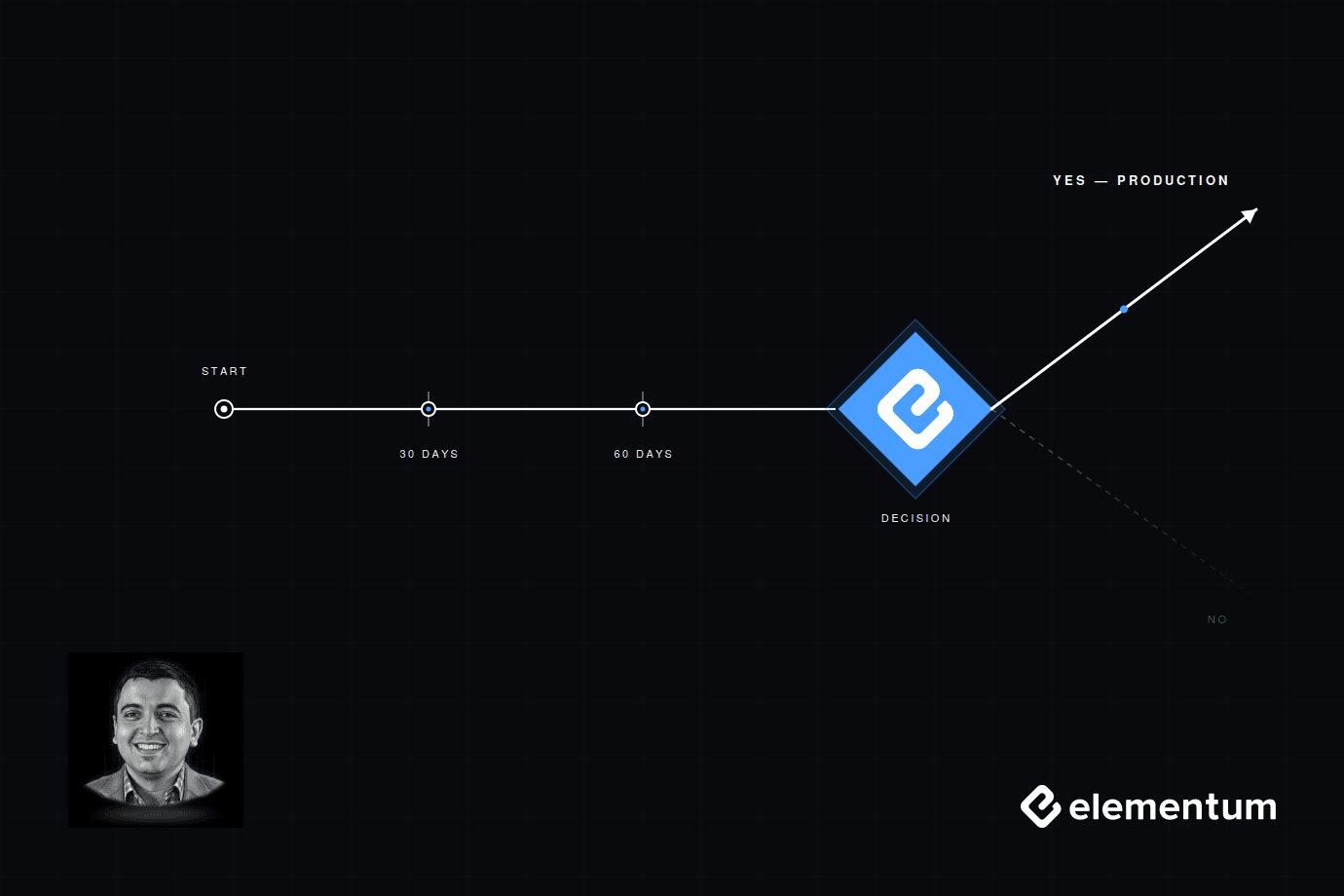
Most enterprise AI pilots end the same way — six months in, nobody's in production. Here's what a pilot that actually works looks like.
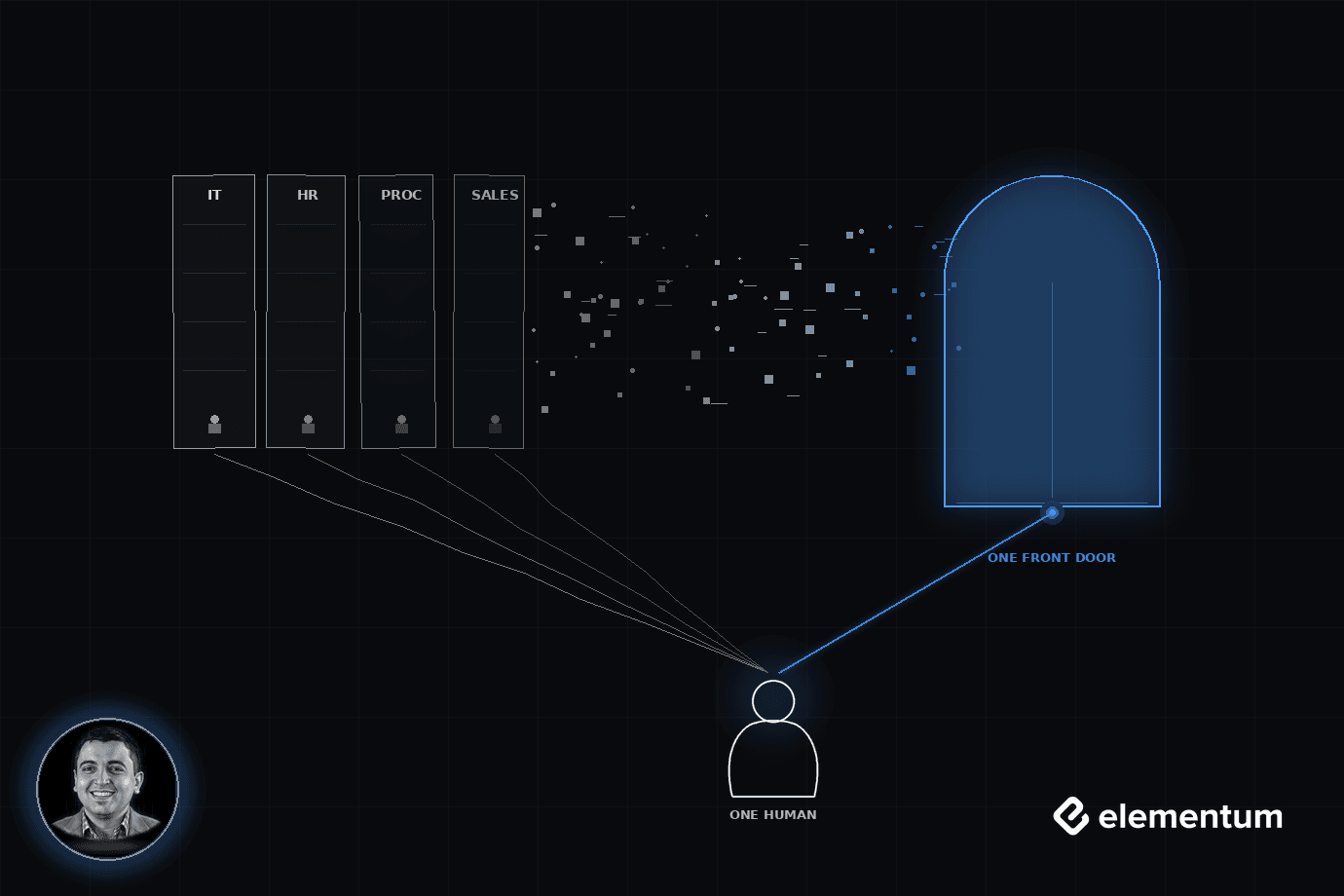
Your sales rep has IT, HR, procurement, and sales problems — and you bought four different systems to handle them. The four-vendor architecture is no longer the answer.
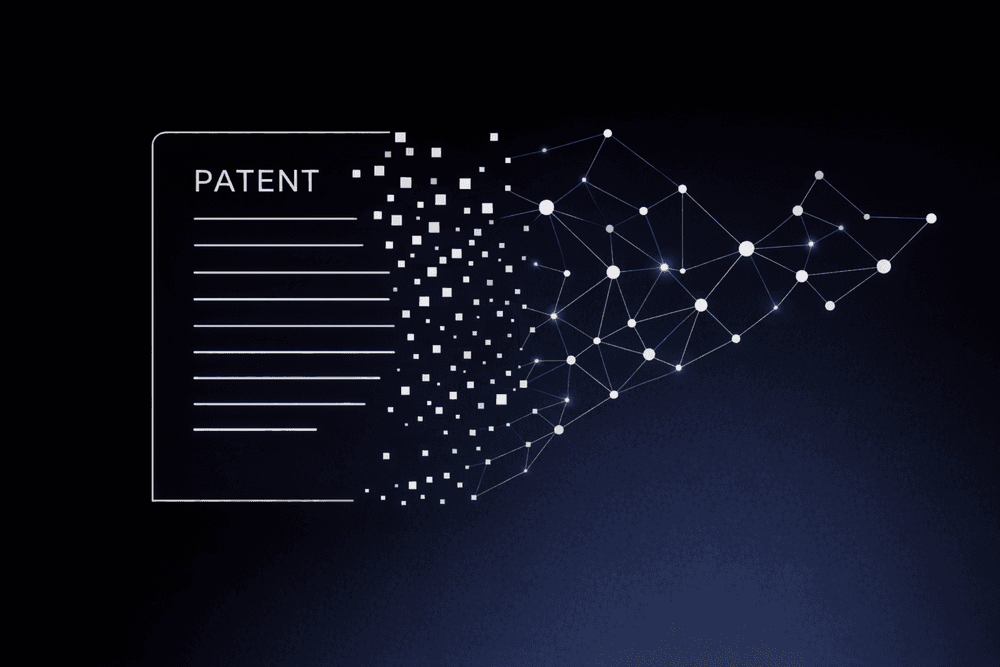
Pharma's largest patent cliff in decades is reshaping CIO cost mandates. See how governed AI workflow automation closes the gap before revenue does.

Compare 7 enterprise HR automation tools: Elementum, Workday, SAP, Oracle, ServiceNow, and 2 more. Find the right architecture for your HR workflows.

Compare top intelligent ticket routing tools for enterprise ITSM, including Elementum, ServiceNow, Freshservice, JSM, and Salesforce Agentforce.
CRM automation in 2026 is shifting from rule-based workflows to AI agents. Learn the key trends, failure modes, and architectural decisions that matter.
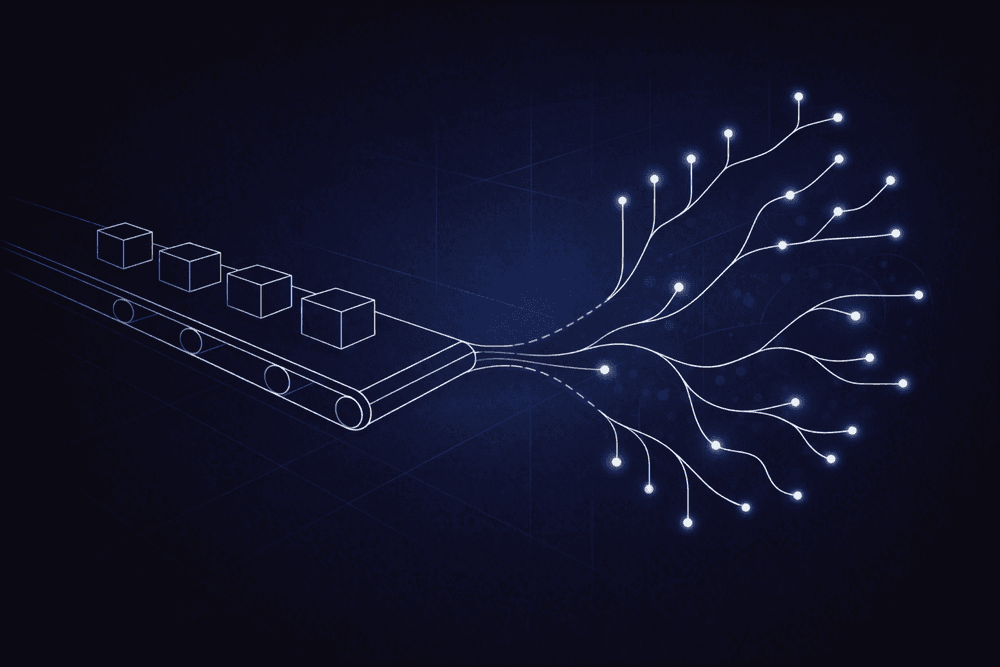
BPA and AI-driven automation solve different problems. Learn the 7 key differences and how hybrid orchestration drives real enterprise ROI.
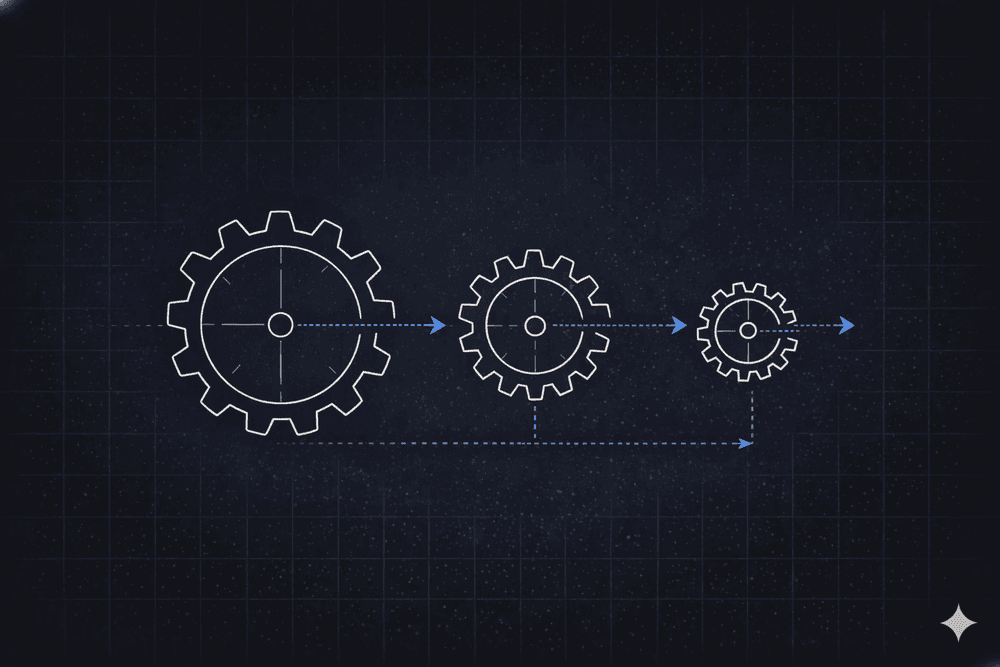
Learn what deterministic workflows are, how they differ from agentic AI, and when to use each in enterprise processes for reliability and compliance.