
Agentic AI
Foundational guides to agentic AI, AI agents, and enterprise agent architecture.
See how companies across financial services, manufacturing, and retail use agentic AI, and why orchestration governance decides which projects scale.

Agent sprawl is accelerating. Learn how CIOs are building inventory, identity controls, and audit trails before deployments outrun oversight.
ServiceNow renewal pressure rising? This guide covers AI lock-in risks, migration planning, and evaluation of replacement platforms.
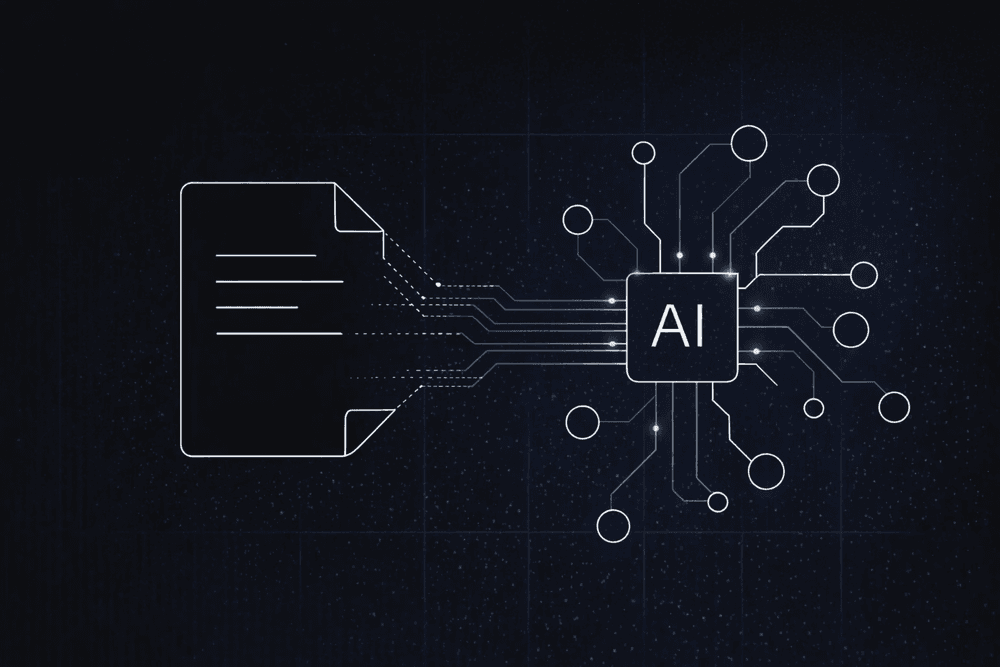
Learn how agentic AI automates contract workflows, reduces legal review errors, and governs multi-step execution across CLM systems with full audit trails.
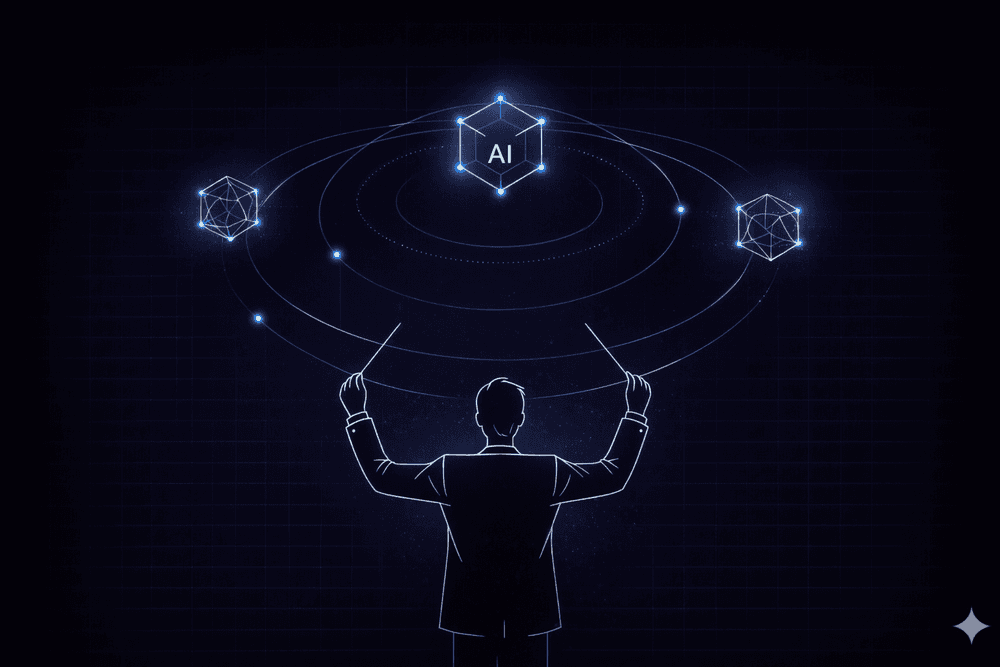
Learn coordination patterns, governance controls, and cost strategies to scale AI agent task delegation in enterprise workflows without breaking production.

AI employee onboarding automates compliance, IT provisioning, and paperwork so HR teams focus on culture. See how smart workflows cut first-year turnover.
Learn how to deploy agentic AI in enterprise environments using a four-phase framework, covering governance, data readiness, and production operations.
Learn what agentic AI is, how it works, where it delivers enterprise ROI, and the governance risks that can't be patched after deployment.
No, AI agents aren’t deterministic in the strict sense. AI agents are built on large language models (LLMs), which are probabilistic by design. Therefore, identical inputs don’t always produce identical outputs.
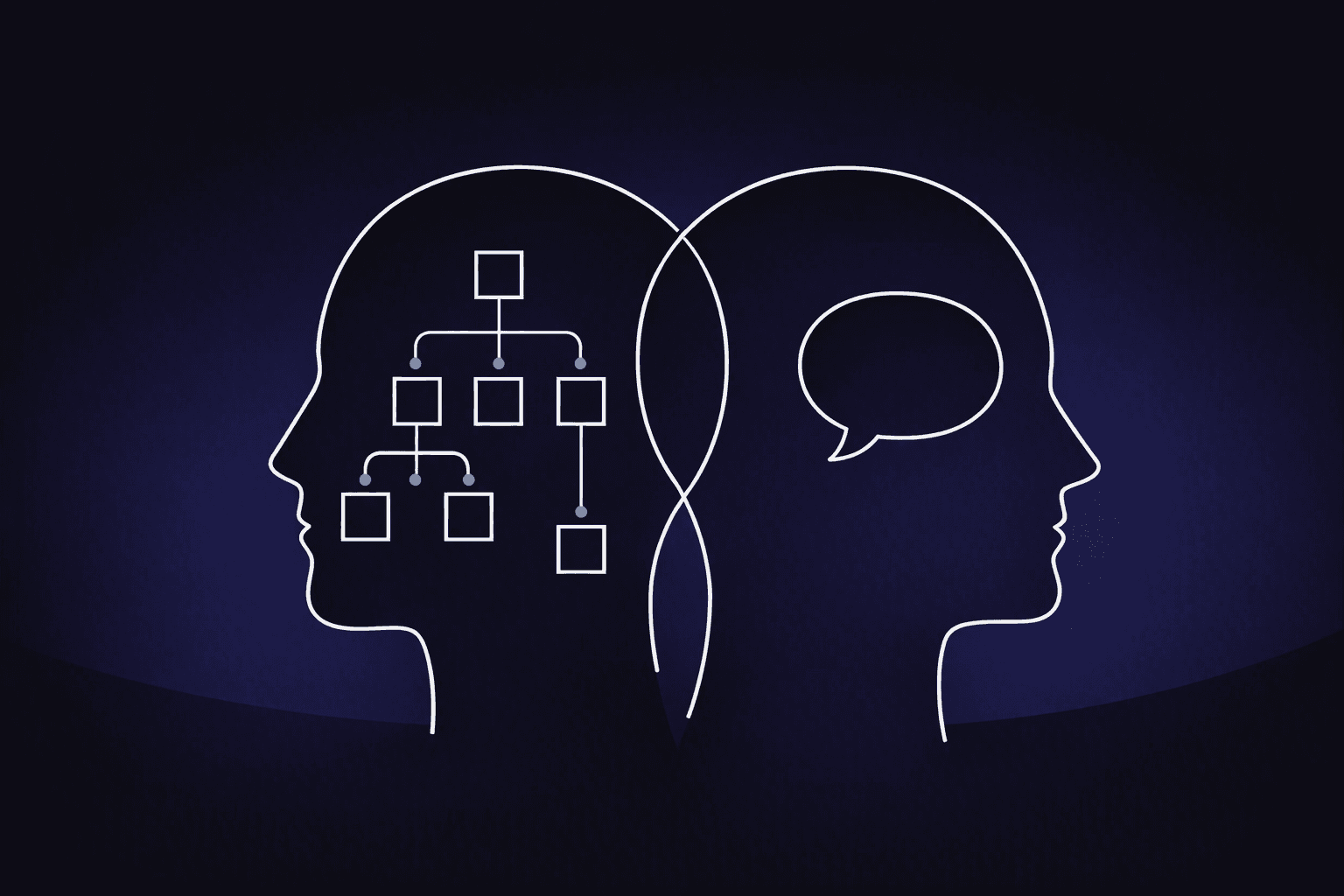
The difference between AI agents and chatbots comes down to architecture. Chatbots deliver information through conversation. AI agents execute work across business systems within governed boundaries. Choosing between them, or combining them, determines whether your AI program stays at the information layer or moves into operational execution.
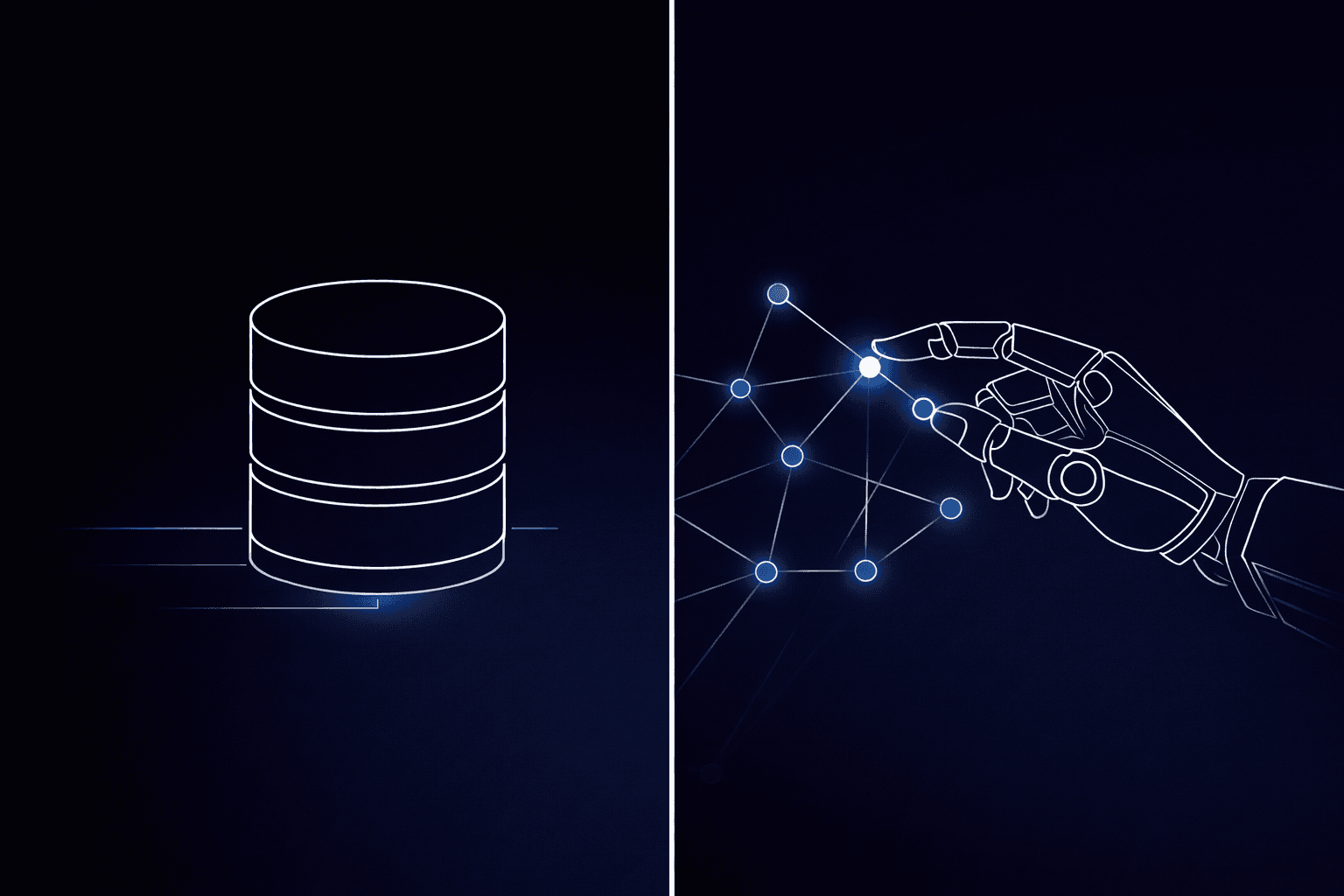
Agent project cancellations are rising in efforts with weak governance, while RAG adoption continues to grow inside production generative AI (GenAI) programs. The architecture choice is shaping which programs survive to scale.
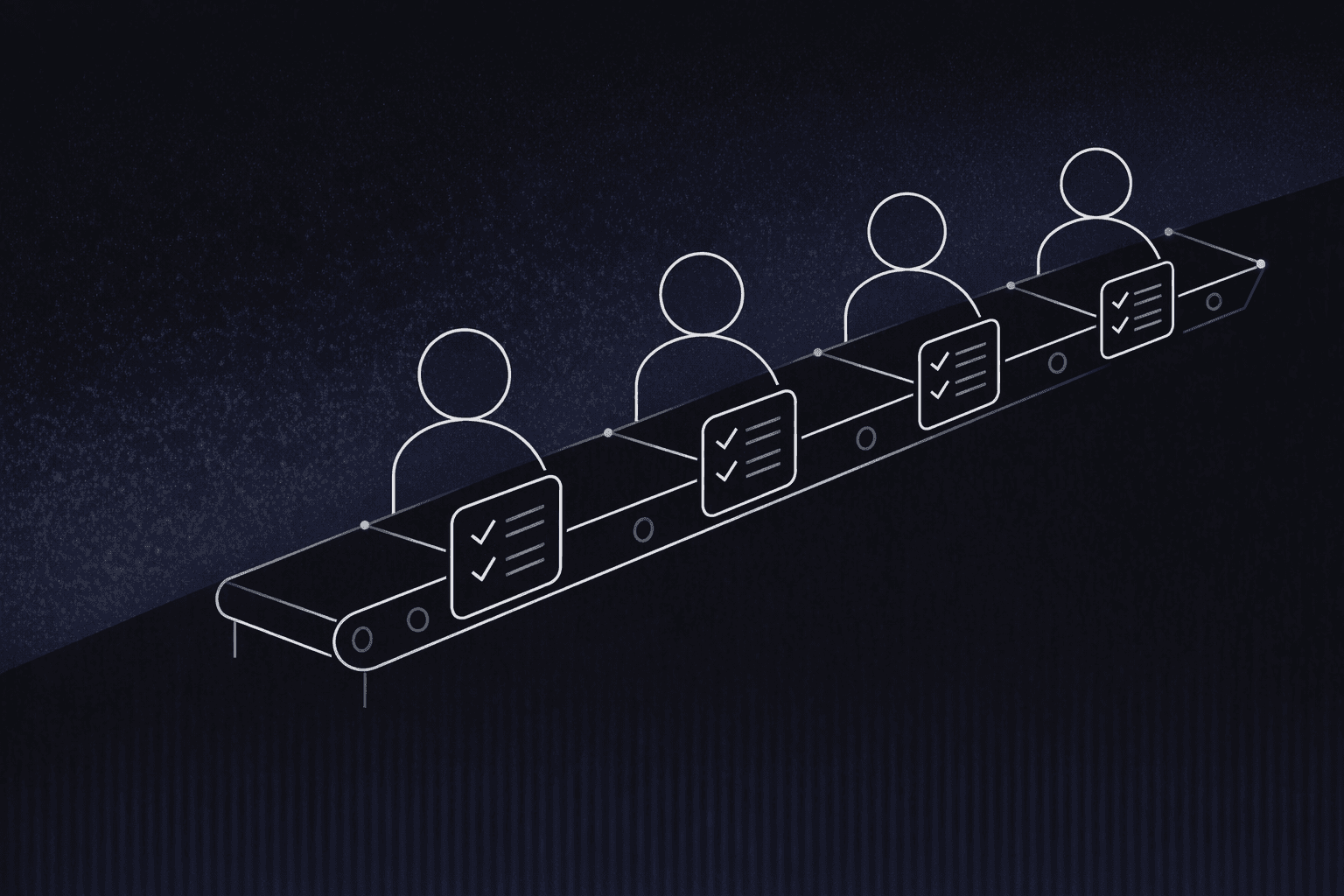
This article covers the four main types of AI agents, how each one works, and how to combine them into a production architecture that stays governable at scale. It also helps you make the right choice for what a given workflow step actually demands.