
Blog
Insights, updates, and best practices from the Elementum AI team
Learn how to deploy agentic AI in enterprise environments using a four-phase framework, covering governance, data readiness, and production operations.
AI agents and AI workflows solve different problems. Learn which steps need deterministic logic, which need AI reasoning, and how to scale both.
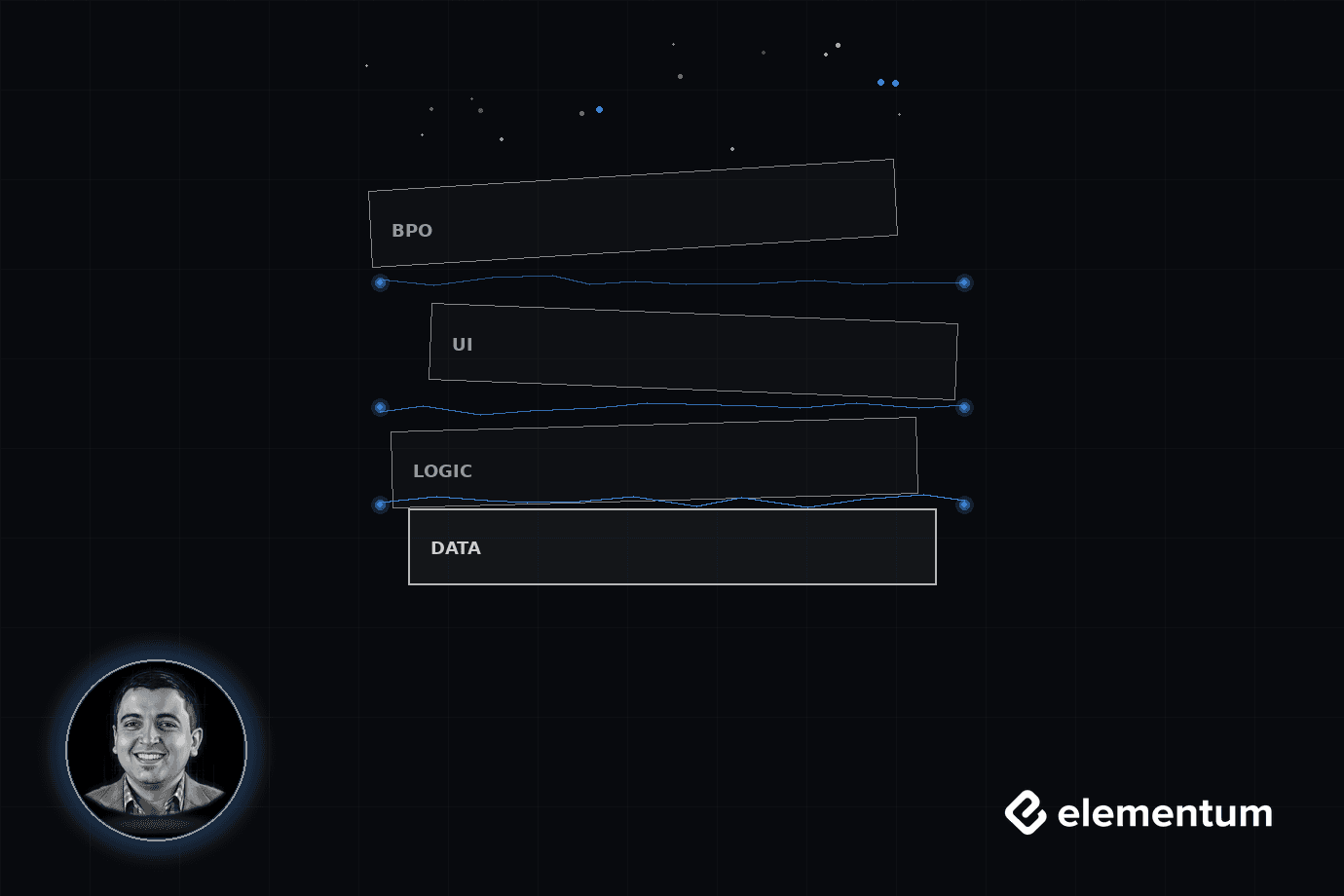
Every legacy enterprise app is four things stacked together. Three you bought from the vendor. The fourth you had to staff yourself. That deal is over.
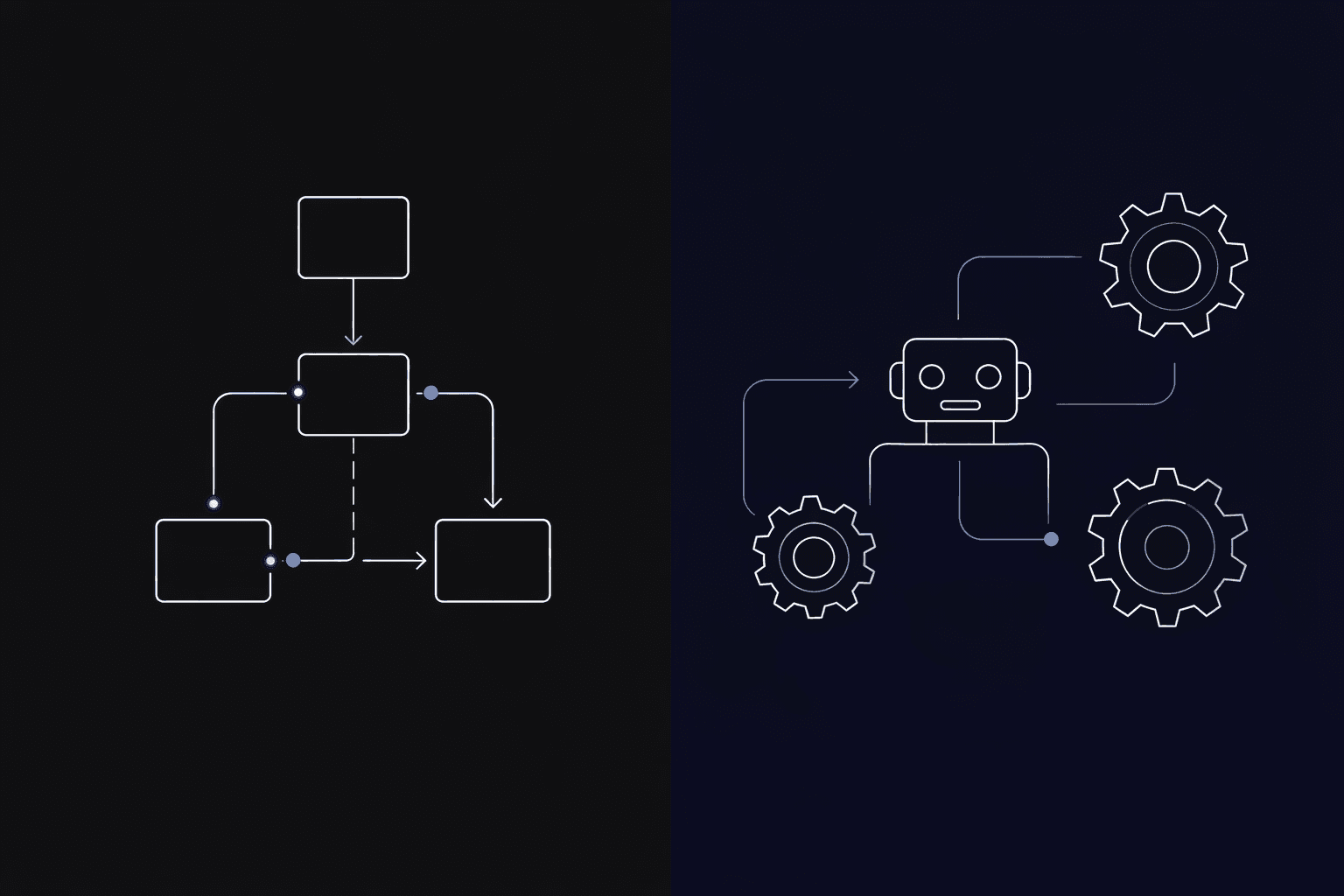
BPA orchestrates end-to-end workflows; RPA automates discrete tasks. Learn the key differences and which approach fits your enterprise automation strategy.
Learn the AI governance frameworks, compliance deadlines, and architectural choices that make governance work at runtime: EU AI Act, NIST, and ISO 42001.
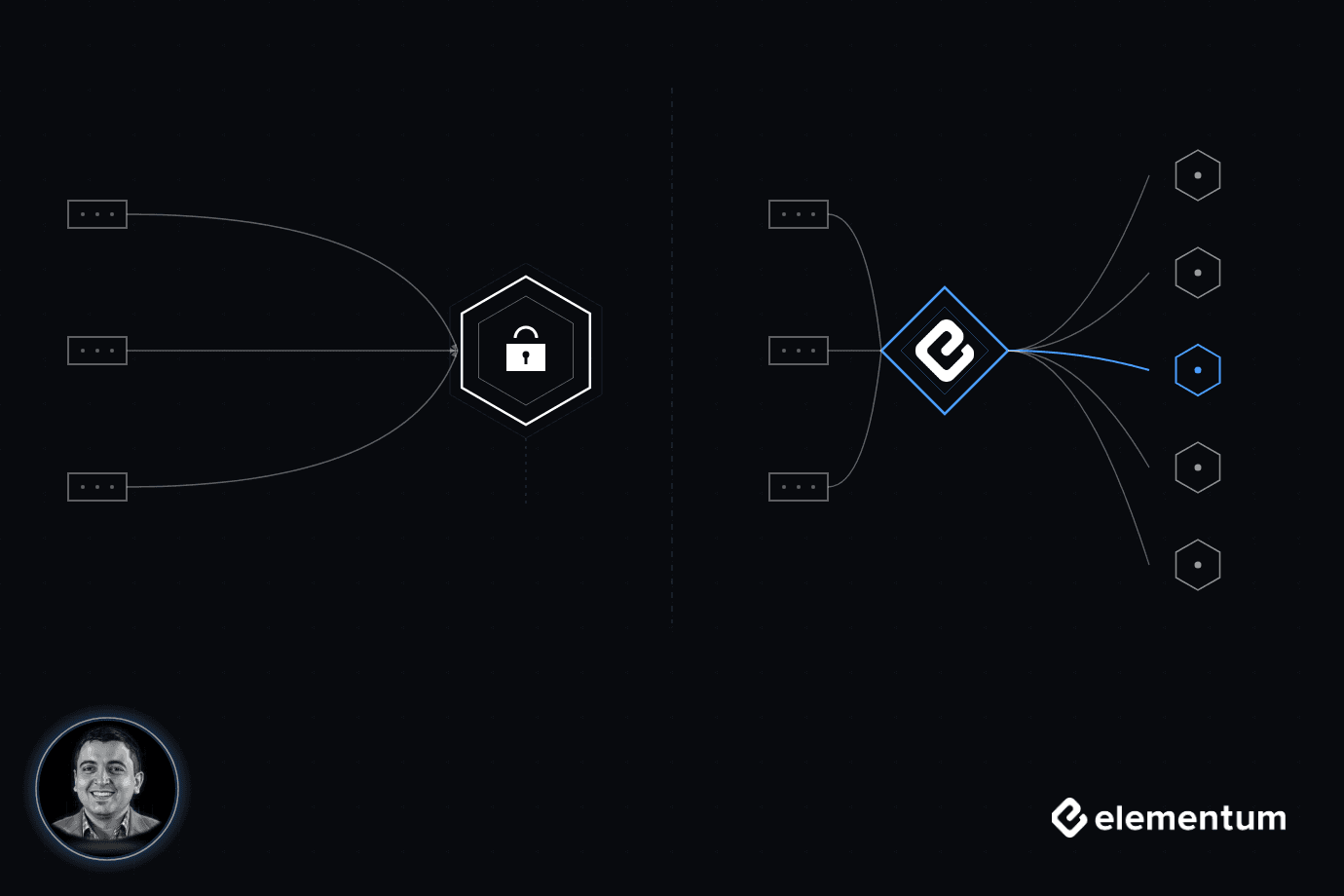
Data lock-in is the trap most enterprises are starting to see. Model lock-in is the one they're walking into while solving the first one.
Learn what human-in-the-loop workflows are, the three oversight models enterprises need, and how to build scalable HITL systems without creating bottlenecks.
Compare the best AI workflow automation tools and workflow engines for enterprise teams - features, governance, and how to choose for production scale.
Learn how AI in procurement delivers measurable value, why most initiatives stall, and how to build an implementation approach that reaches production.
Learn how to automate procurement workflows with AI agents, deterministic rules, and human review, without weakening compliance or audit controls.
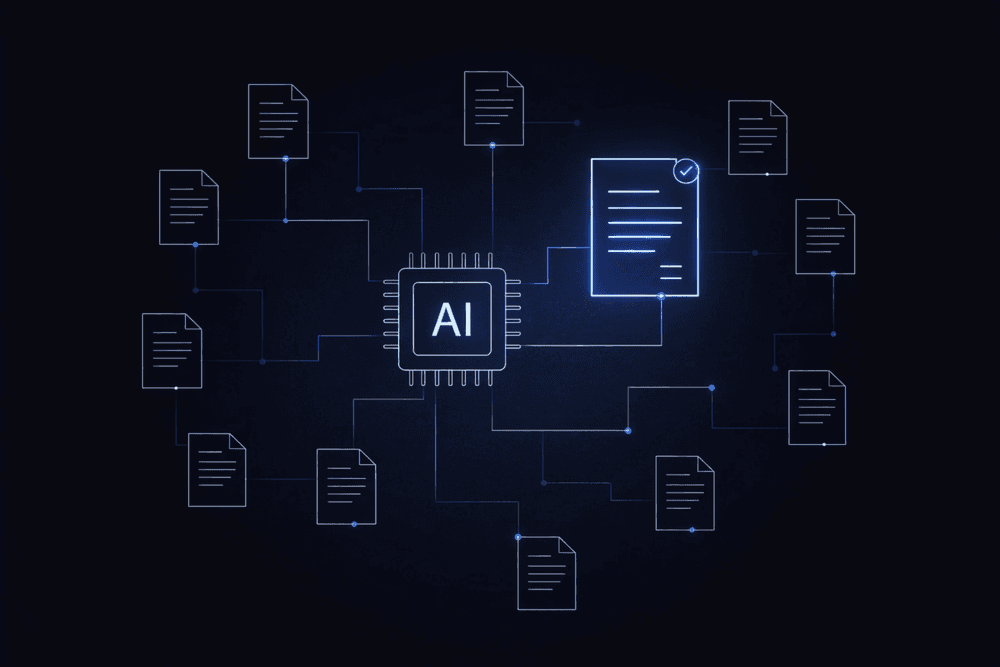
Learn how AI analyzes and scores supplier bids through an 8-step pipeline. Get faster, auditable procurement evaluations with enterprise governance.
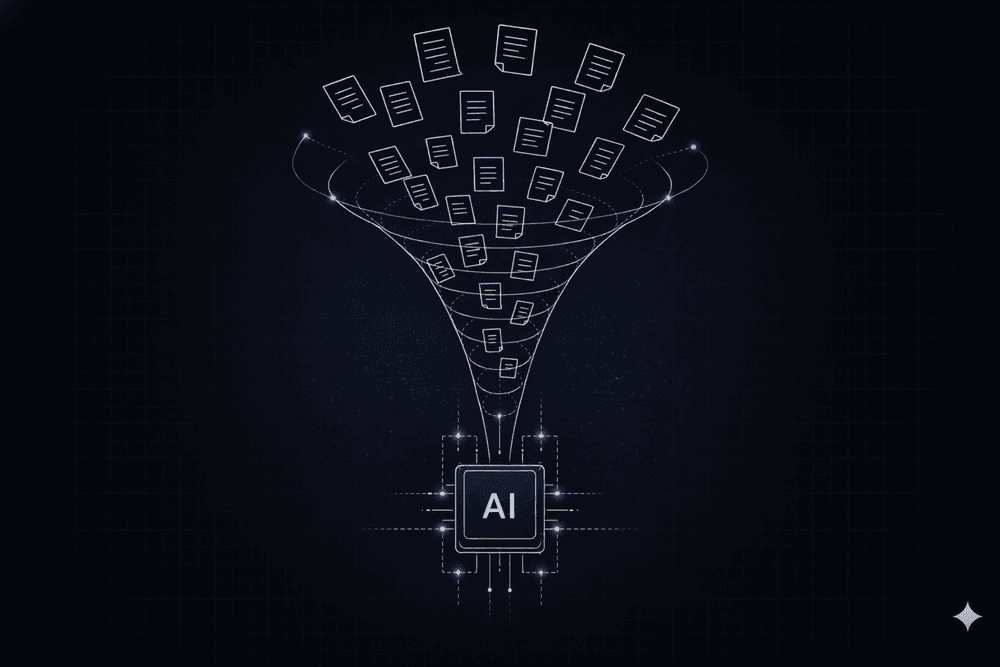
Learn how AI intake management and orchestration replace manual triage, cut bottlenecks, and deliver ROI across IT, procurement, HR, and finance.