
AI Workflow Orchestration
Guides to orchestrating AI agents, workflows, approvals, and systems of record.
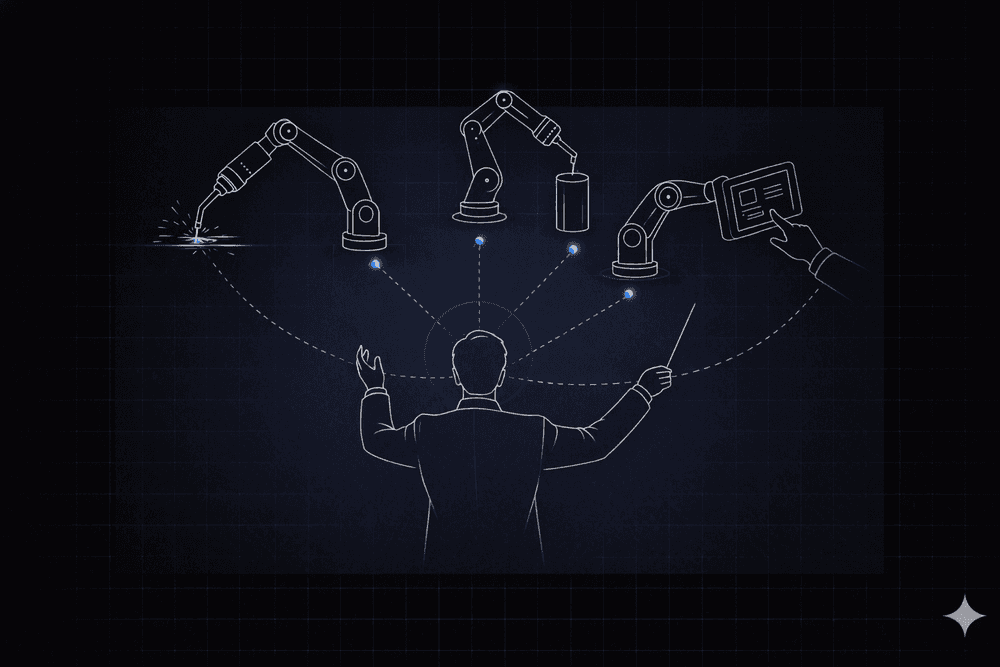
Task automation isn't enough. Learn why enterprises need orchestration to govern AI agents, manage handoffs, and avoid repeating RPA's scaling failures.

Deploy AI agents at enterprise scale with deterministic governance. Learn how to close the ROI gap and govern agentic workflows before they go to production.
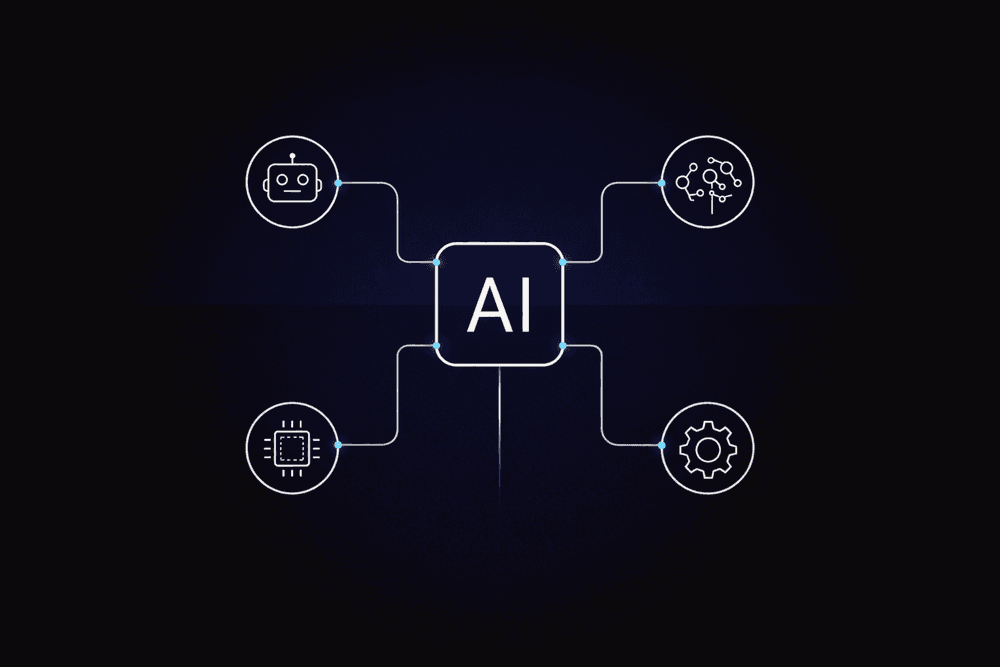
Learn how a deterministic backbone reduces cost, controls governance, and scales AI agents reliably across enterprise workflows.
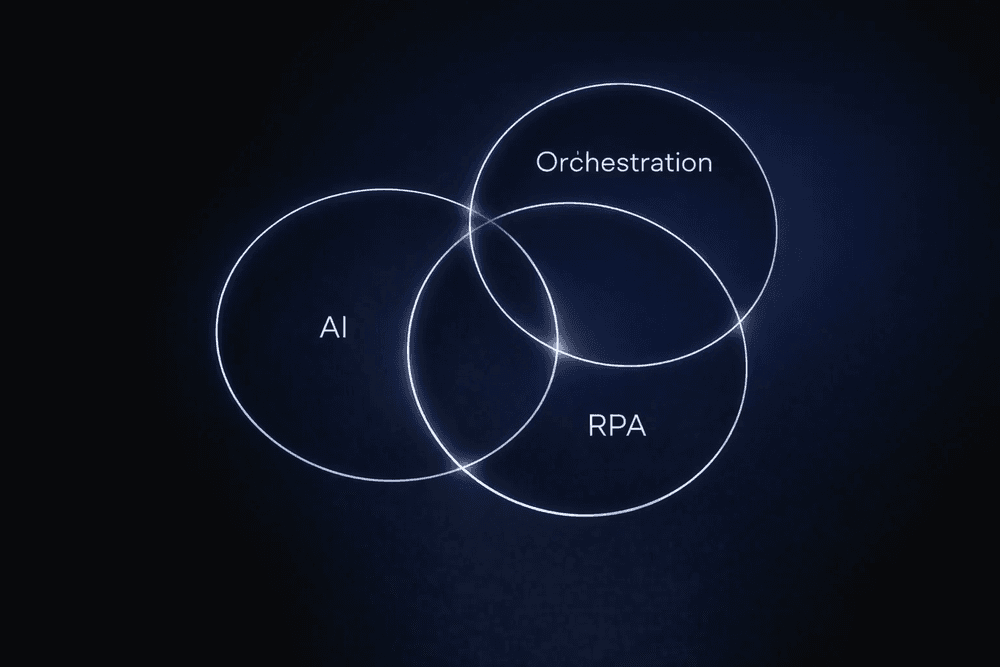
Intelligent automation combines AI, RPA, and orchestration to run enterprise workflows. Learn how each layer works and why orchestration decides reliability.
Compare top enterprise workflow platforms on architecture, AI governance, and data sovereignty to find the right fit for your enterprise.
Most AI pilots never reach production. Learn how to integrate generative AI into enterprise workflows with governance, security, and cost discipline.
Learn how enterprise AI orchestration coordinates agents, data, rules, and human decisions across production workflows with six critical architecture layers.

One AI orchestration layer routes every employee request to the right agent or workflow. Replace SaaS and agent sprawl with a governed front door.
Learn what deterministic workflows are, how they differ from agentic AI, and when to use each in enterprise processes for reliability and compliance.
AI agents and AI workflows solve different problems. Learn which steps need deterministic logic, which need AI reasoning, and how to scale both.
Learn what human-in-the-loop workflows are, the three oversight models enterprises need, and how to build scalable HITL systems without creating bottlenecks.
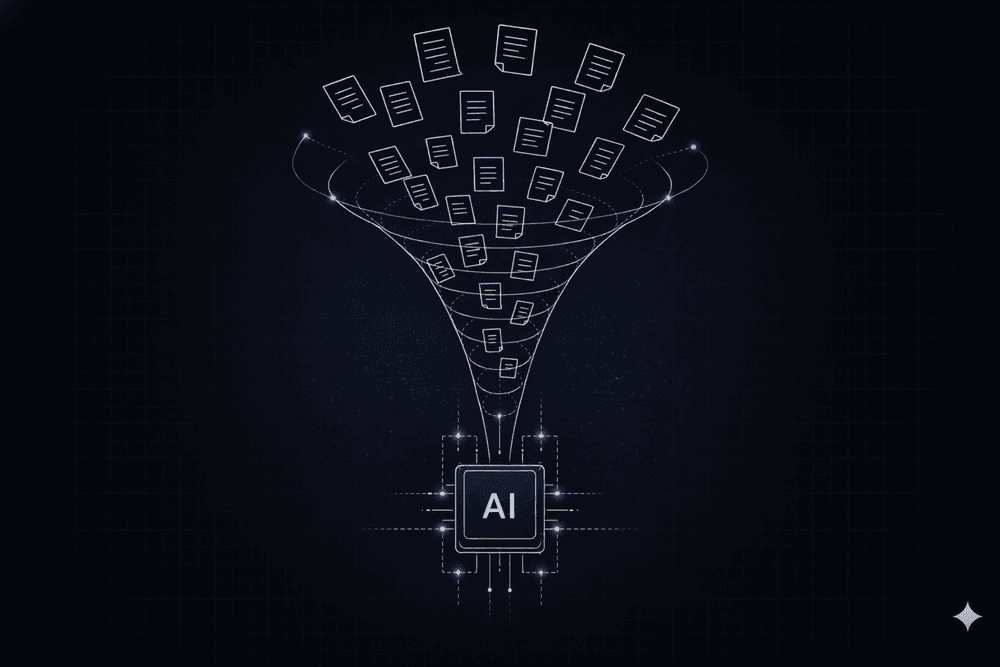
Learn how AI intake management and orchestration replace manual triage, cut bottlenecks, and deliver ROI across IT, procurement, HR, and finance.