
AI Workflow Orchestration
Guides to orchestrating AI agents, workflows, approvals, and systems of record.

One AI orchestration layer routes every employee request to the right agent or workflow. Replace SaaS and agent sprawl with a governed front door.

How to wire AI agents into existing workflows without rebuilding your stack — and why an orchestration layer matters more than the agents themselves.
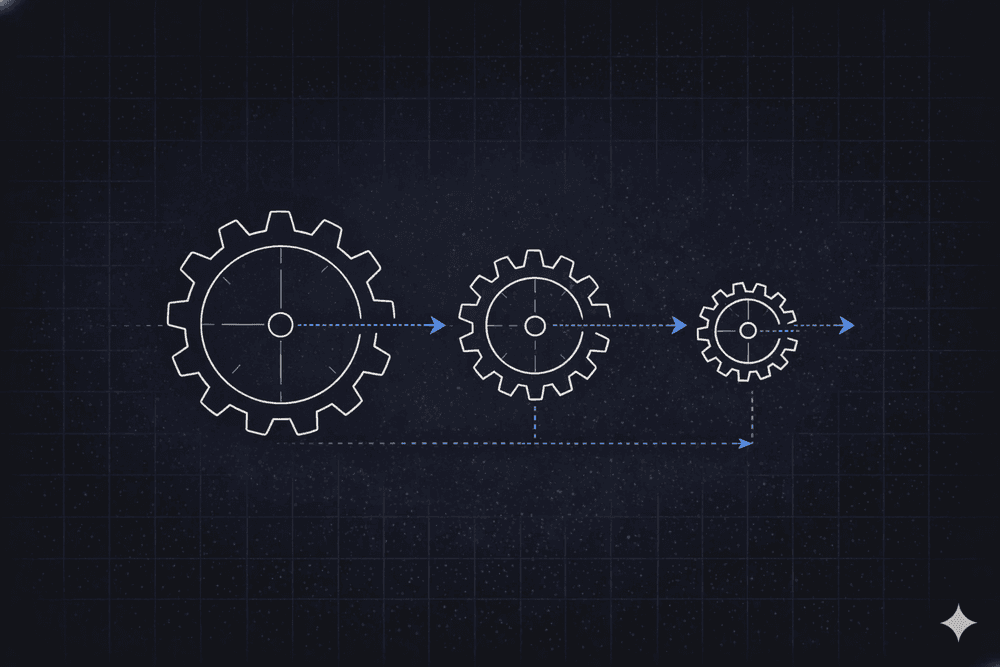
Learn what deterministic workflows are, how they differ from agentic AI, and when to use each in enterprise processes for reliability and compliance.
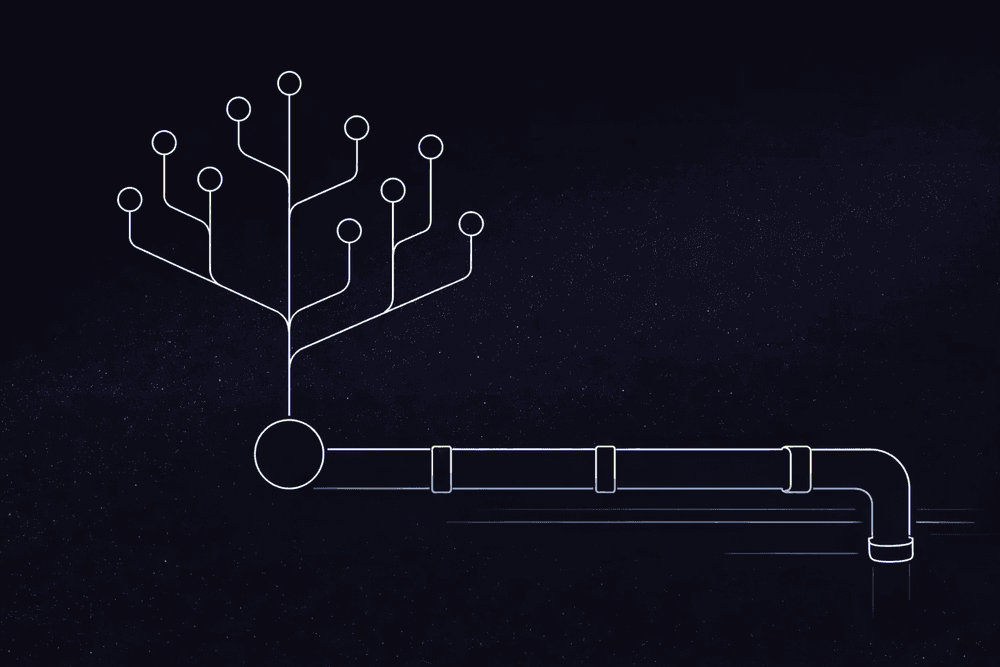
AI agents and AI workflows solve different problems. Learn which steps need deterministic logic, which need AI reasoning, and how to scale both.
Learn what human-in-the-loop workflows are, the three oversight models enterprises need, and how to build scalable HITL systems without creating bottlenecks.
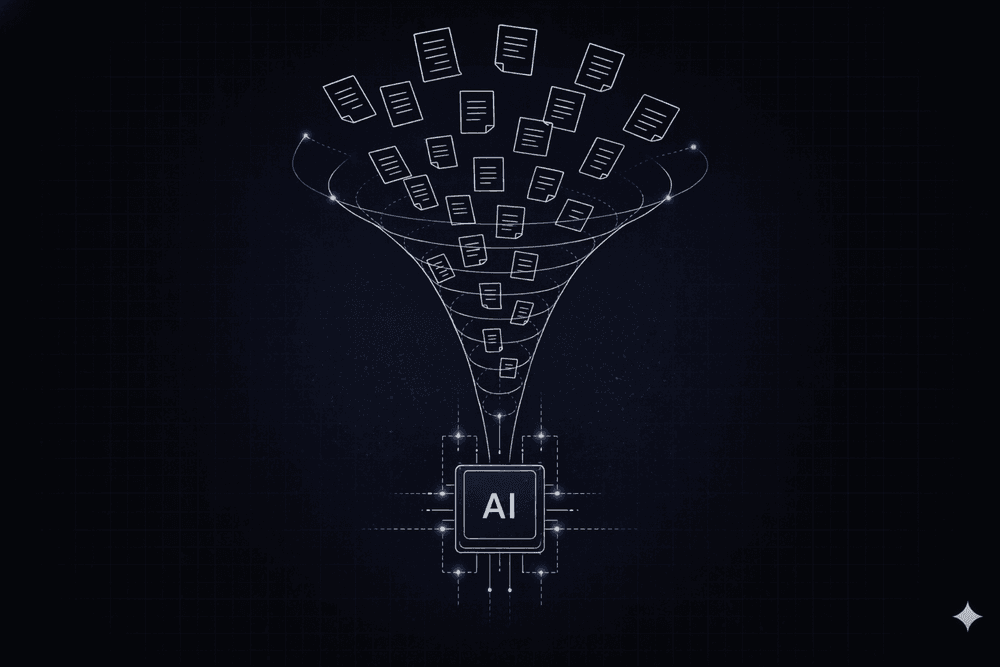
Learn how AI intake management and orchestration replace manual triage, cut bottlenecks, and deliver ROI across IT, procurement, HR, and finance.
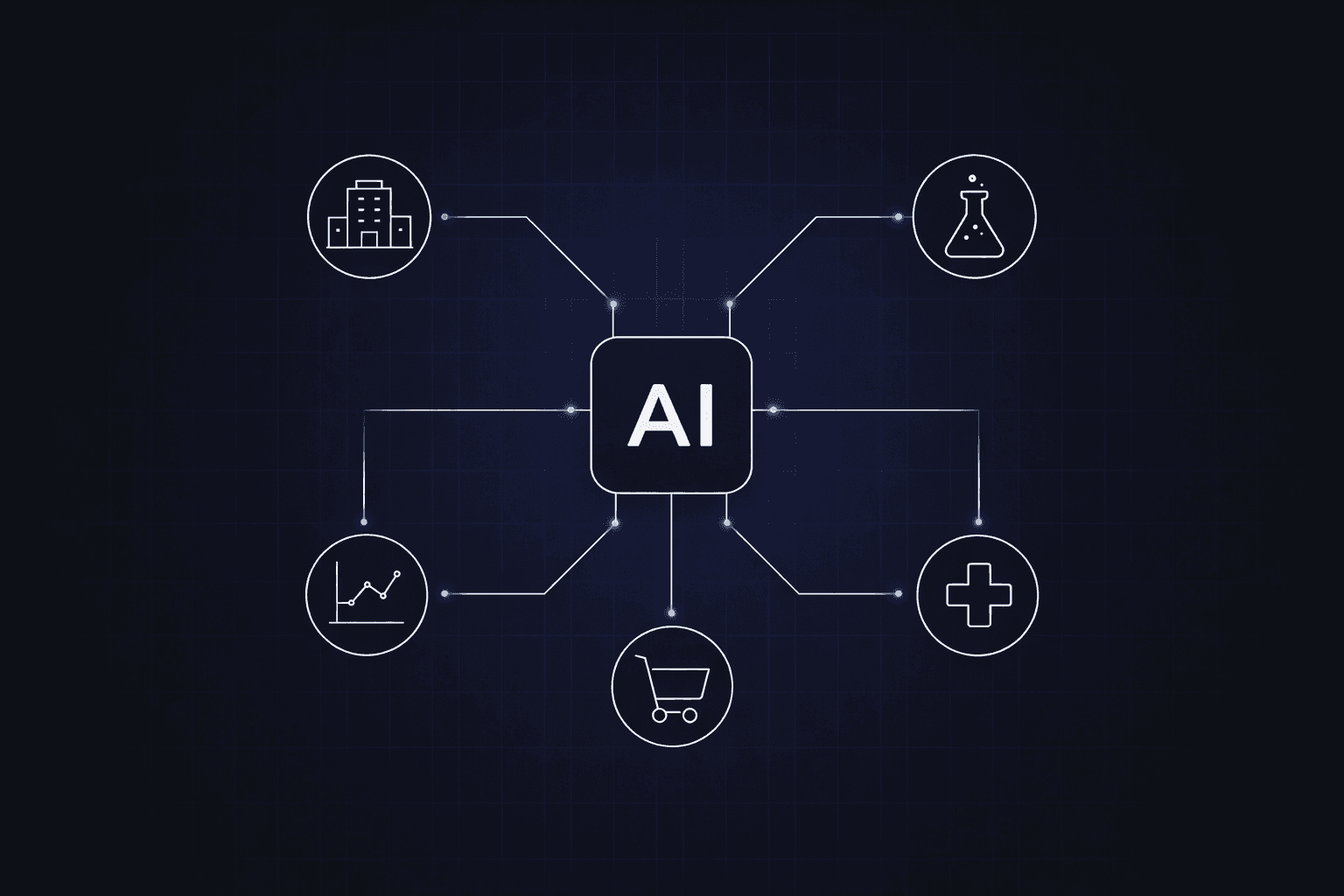
Agentic AI orchestration is the architecture that brings those agents, the business rules that govern them, and the humans who approve high-stakes decisions into a single governed workflow. Without it, each new agent deployment adds cost, risk, and audit exposure that compounds faster than your governance team can track.
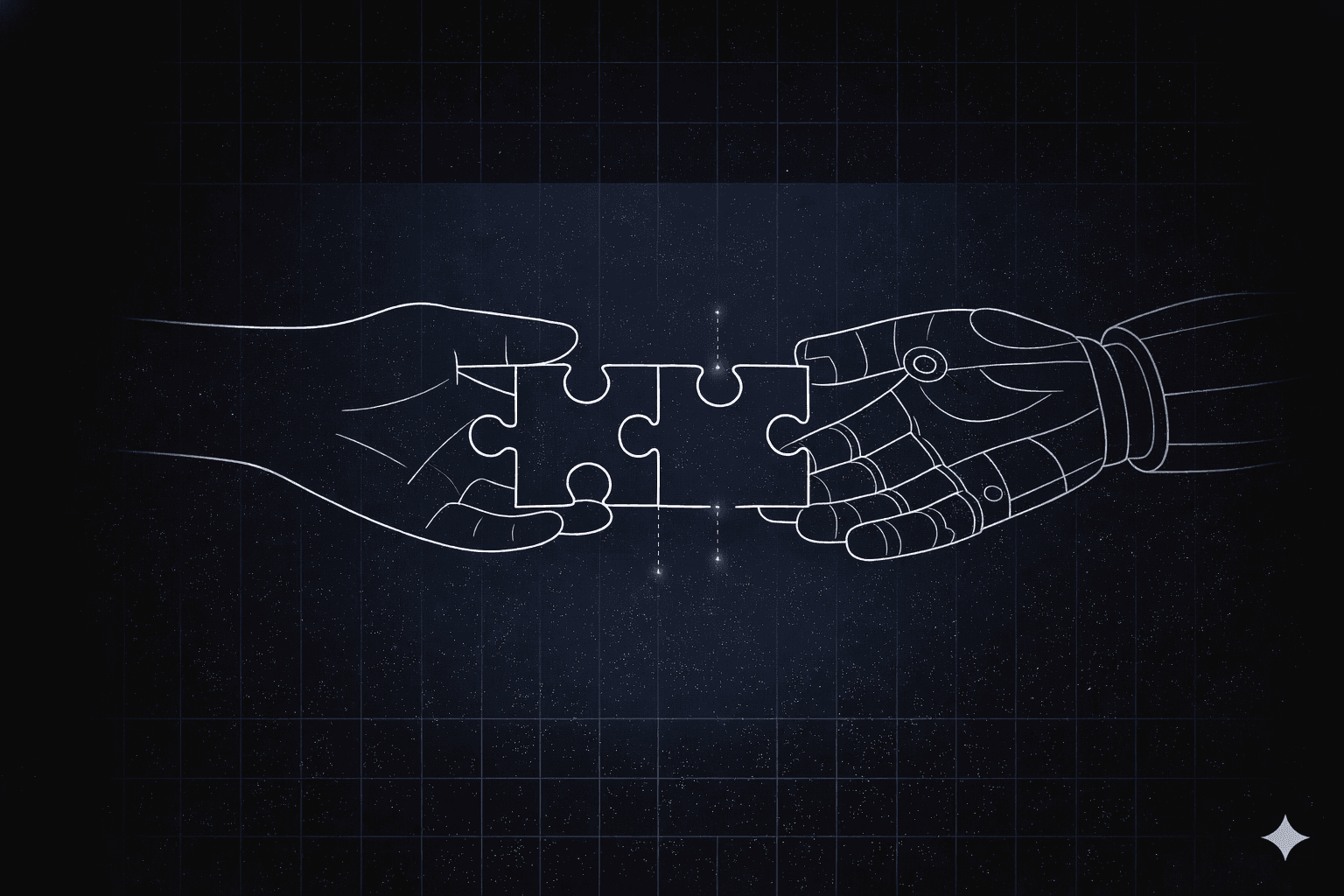
This article walks through how to score and select workflows worth redesigning, how to structure collaboration between people, rules, and AI agents, and how to move from pilot to production without rebuilding your tech stack.

Standardizing industry semantic models will accelerate AI-driven automation and unlock faster, safer, more interoperable workflows for every enterprise.
Two years to transition, $500k in migration costs, and an annual bill exceeding $30m – discover how intelligent workflows can finally unlock the true potential of your cloud investment.
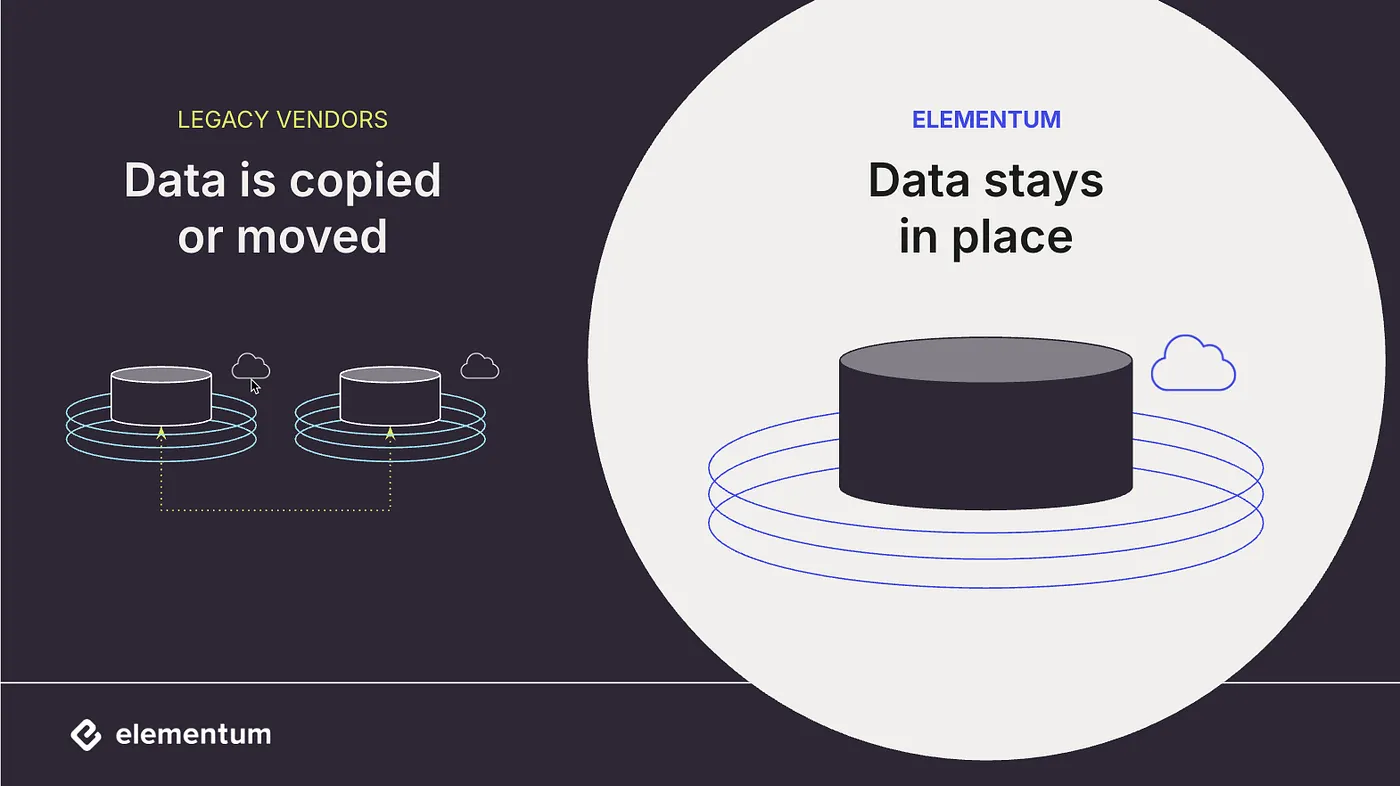
Every enterprise sits on mountains of data, but turning that data into automated business processes remains frustratingly complex. Learn how Elementum uses Snowflake's Hybrid Tables to deliver both operational speed and analytical power.