
Blog
Insights, updates, and best practices from the Elementum AI team
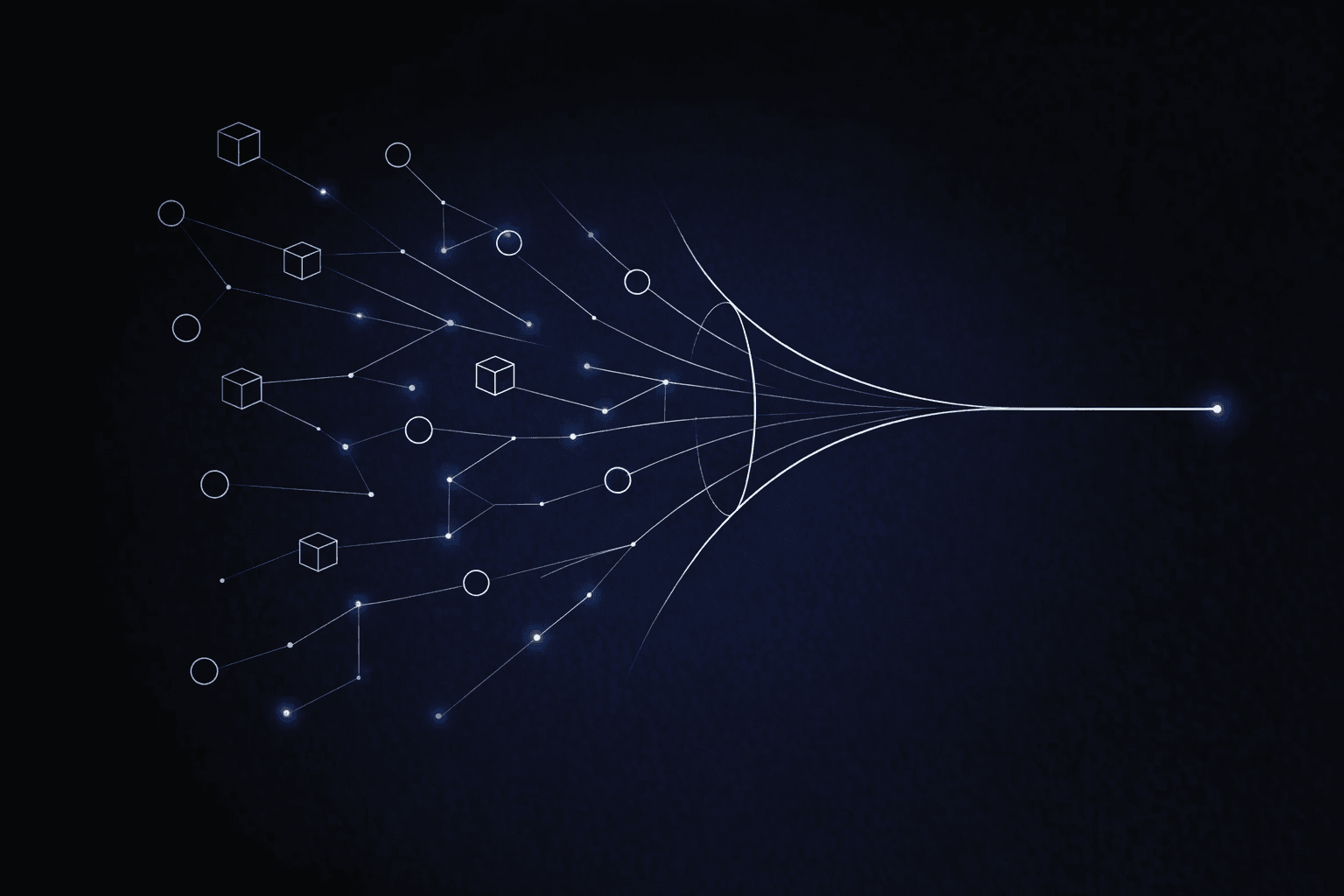
Few organizations have a mature governance model for how to control and monitor AI agent output. Without architectural controls and operational monitoring working together, agents can run in production with limited oversight, creating compliance exposure, cost sprawl, and accountability gaps that compound over time.
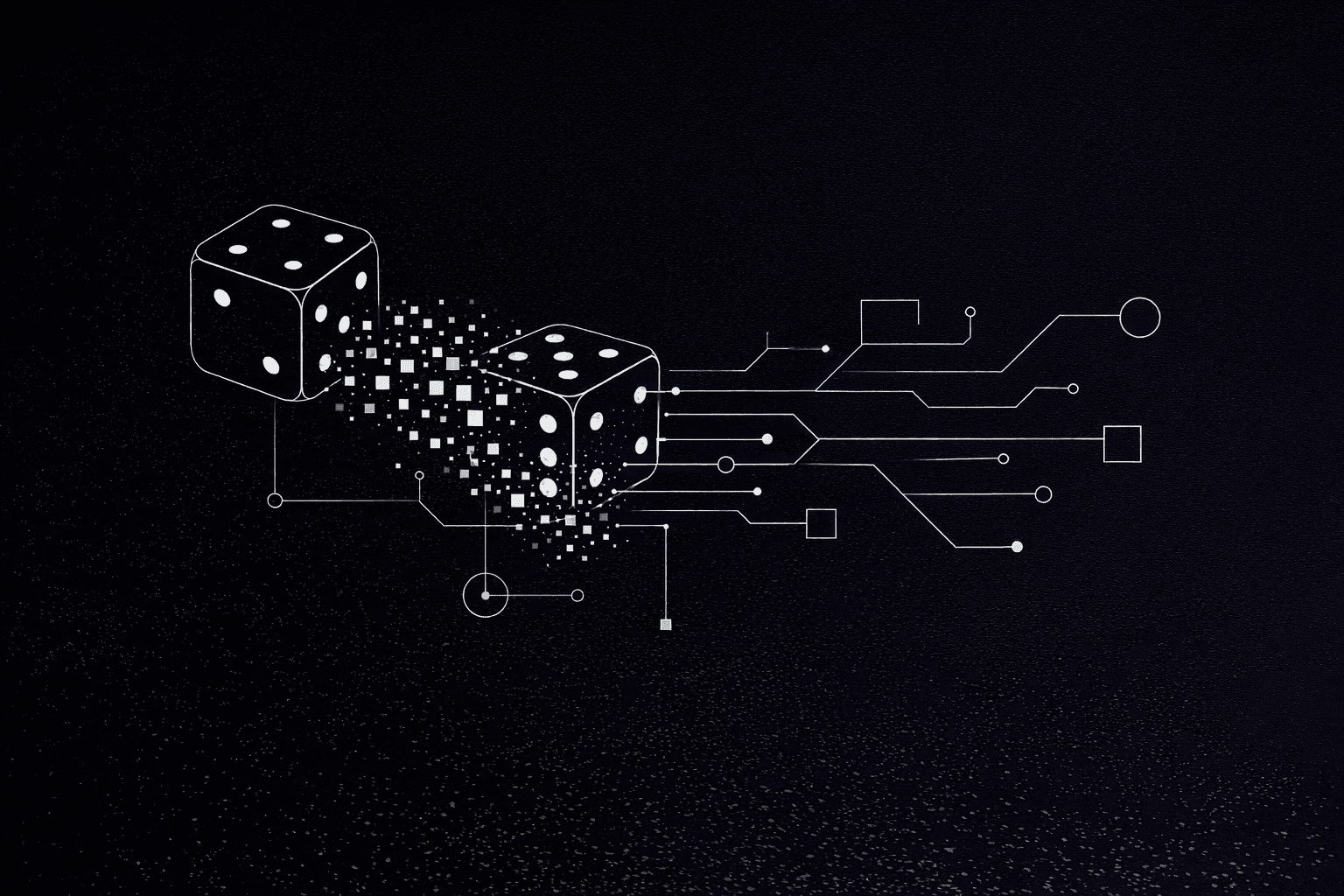
No, AI agents aren’t deterministic in the strict sense. AI agents are built on large language models (LLMs), which are probabilistic by design. Therefore, identical inputs don’t always produce identical outputs.
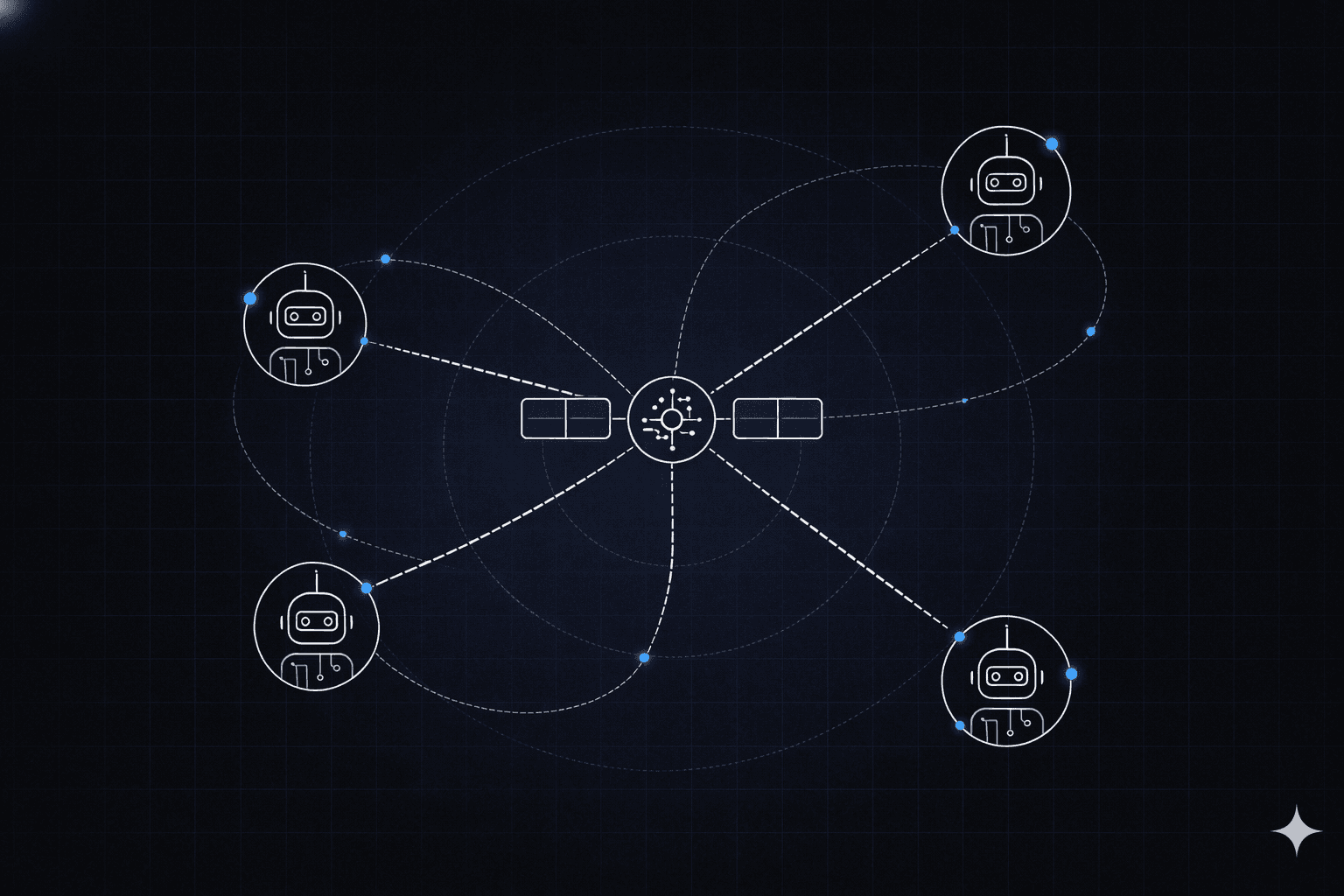
We tested 9 AI orchestration tools - UiPath, Workato, LangGraph, CrewAI, Azure, Bedrock, and more - on governance, data sovereignty, and time to production.
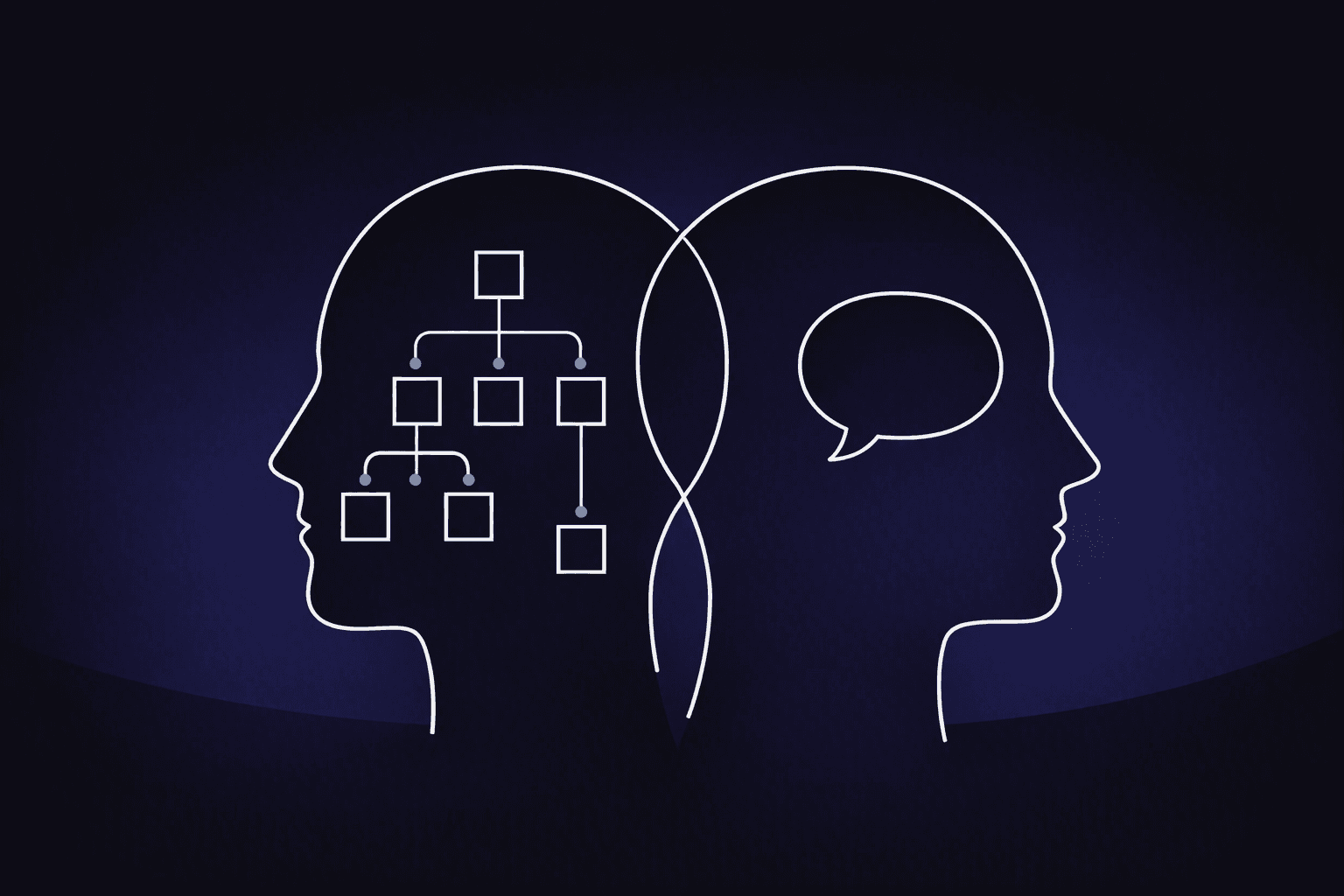
The difference between AI agents and chatbots comes down to architecture. Chatbots deliver information through conversation. AI agents execute work across business systems within governed boundaries. Choosing between them, or combining them, determines whether your AI program stays at the information layer or moves into operational execution.
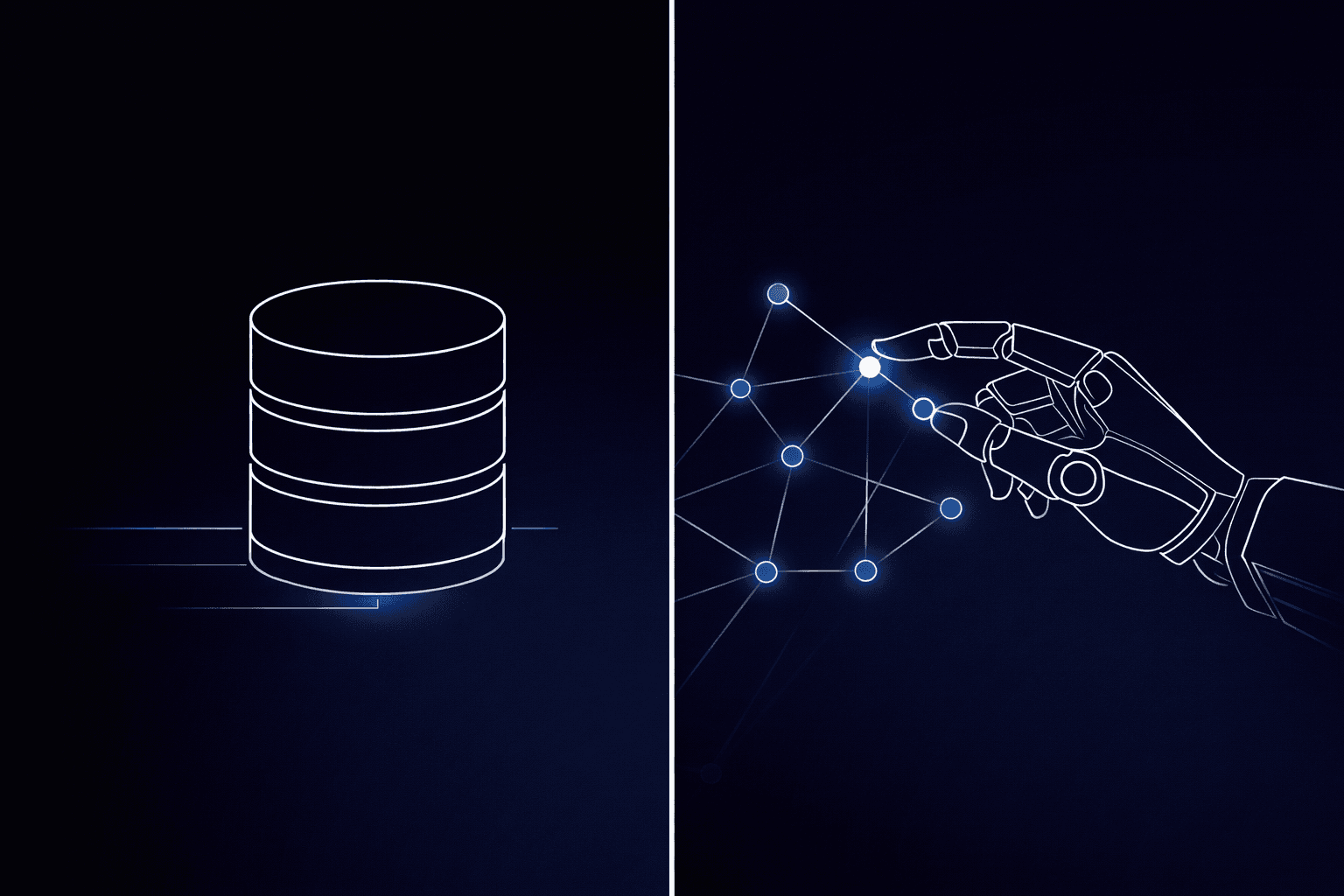
Agent project cancellations are rising in efforts with weak governance, while RAG adoption continues to grow inside production generative AI (GenAI) programs. The architecture choice is shaping which programs survive to scale.

When dozens of agents operate under those conditions, you get agent sprawl. And with it, security exposure, compliance liability, and AI spending that grows without producing board-level ROI.
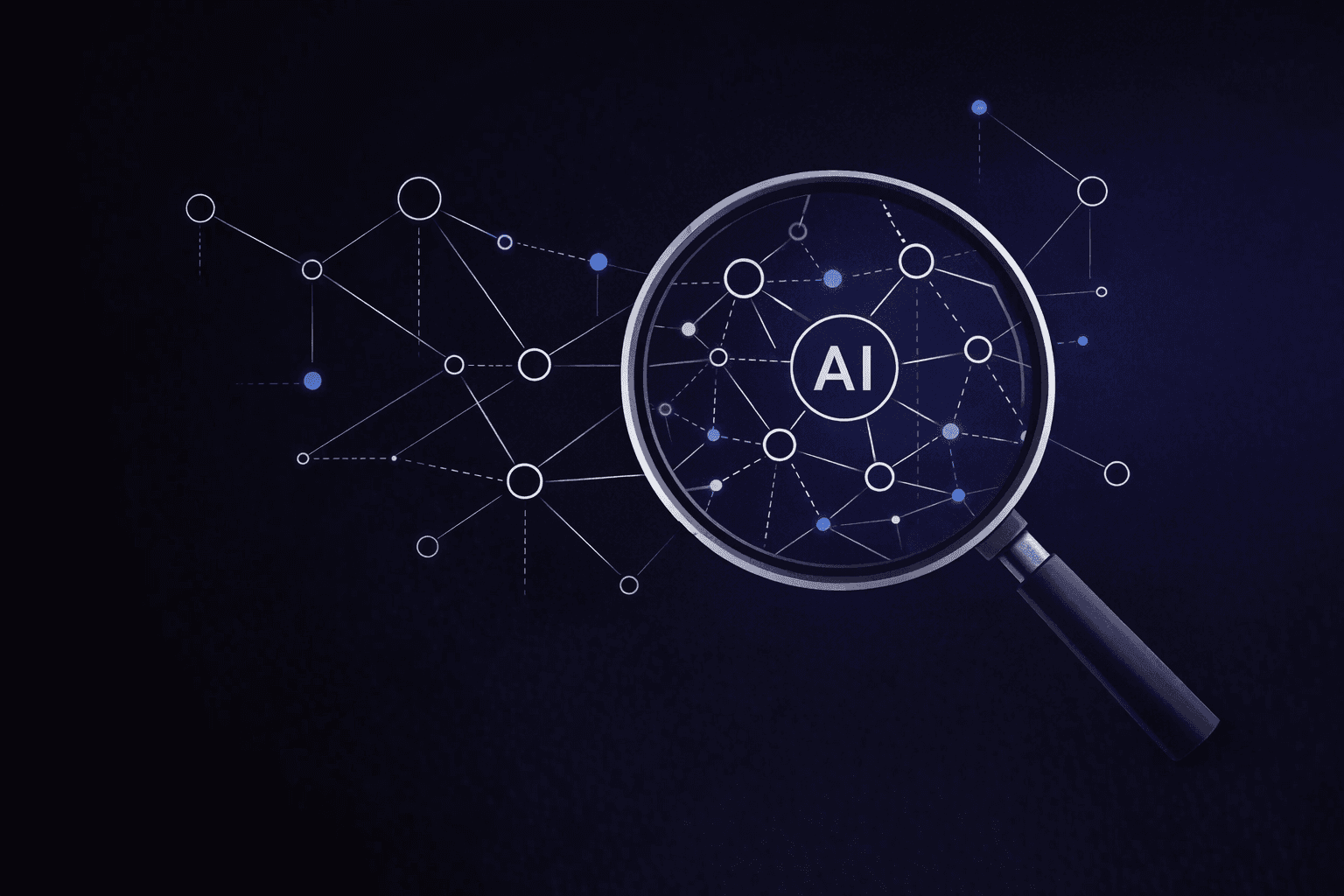
Agent adoption is accelerating across the enterprise, but governance hasn't kept pace. When adoption moves faster than oversight, the result is cost overruns, security incidents, and compliance failures, especially in high-volume or high-risk enterprise workflows.
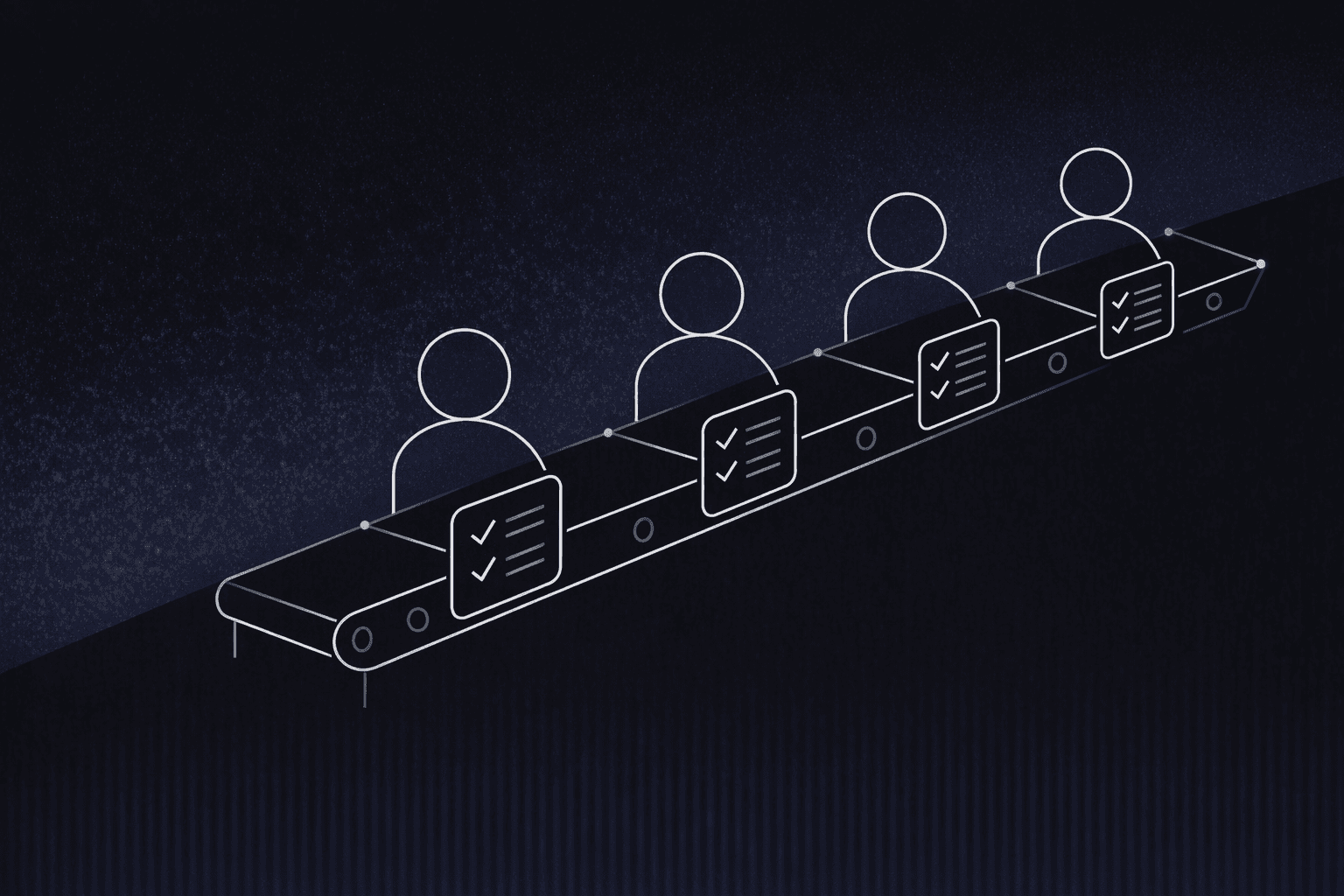
This article covers the four main types of AI agents, how each one works, and how to combine them into a production architecture that stays governable at scale. It also helps you make the right choice for what a given workflow step actually demands.
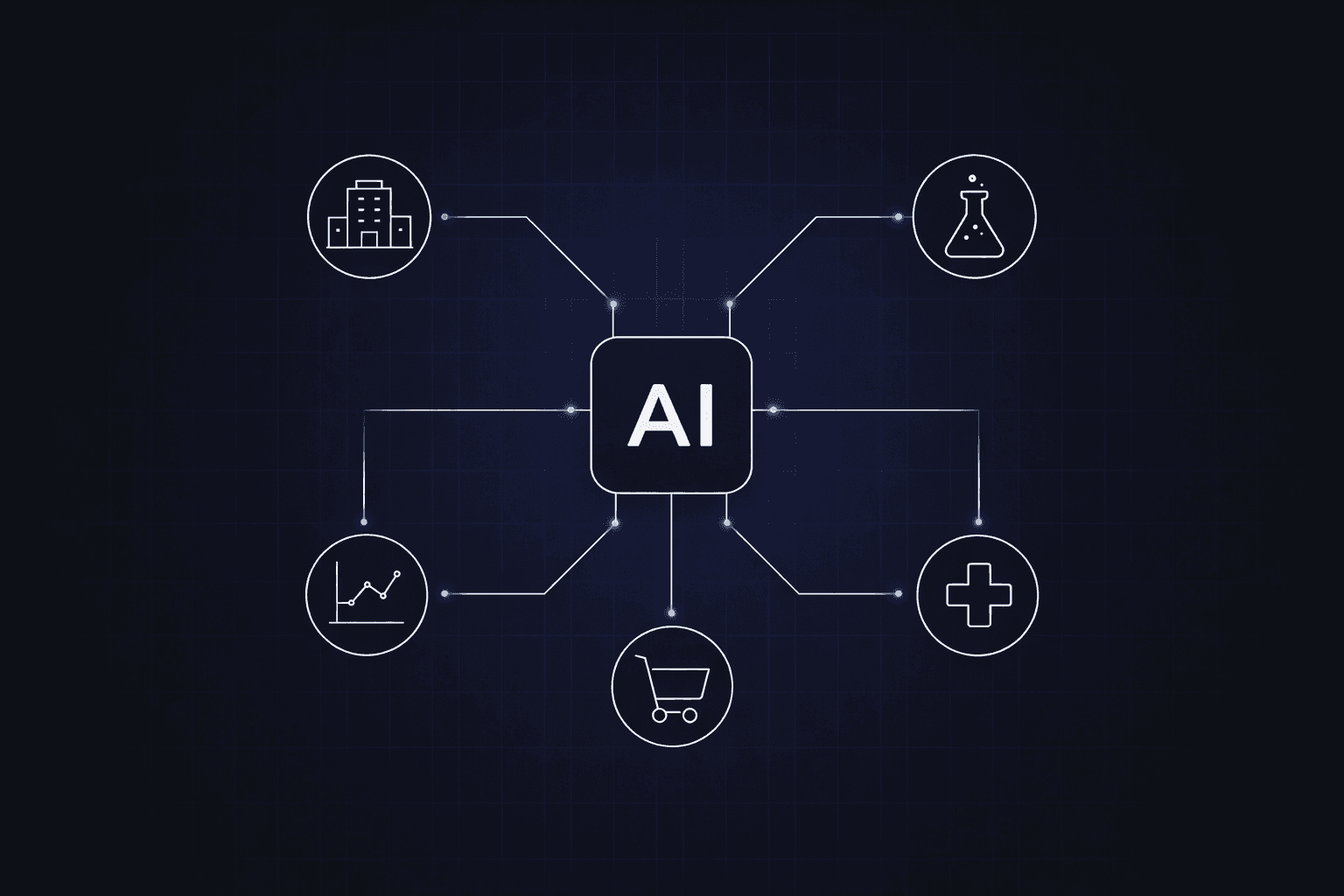
Agentic AI orchestration is the architecture that brings those agents, the business rules that govern them, and the humans who approve high-stakes decisions into a single governed workflow. Without it, each new agent deployment adds cost, risk, and audit exposure that compounds faster than your governance team can track.
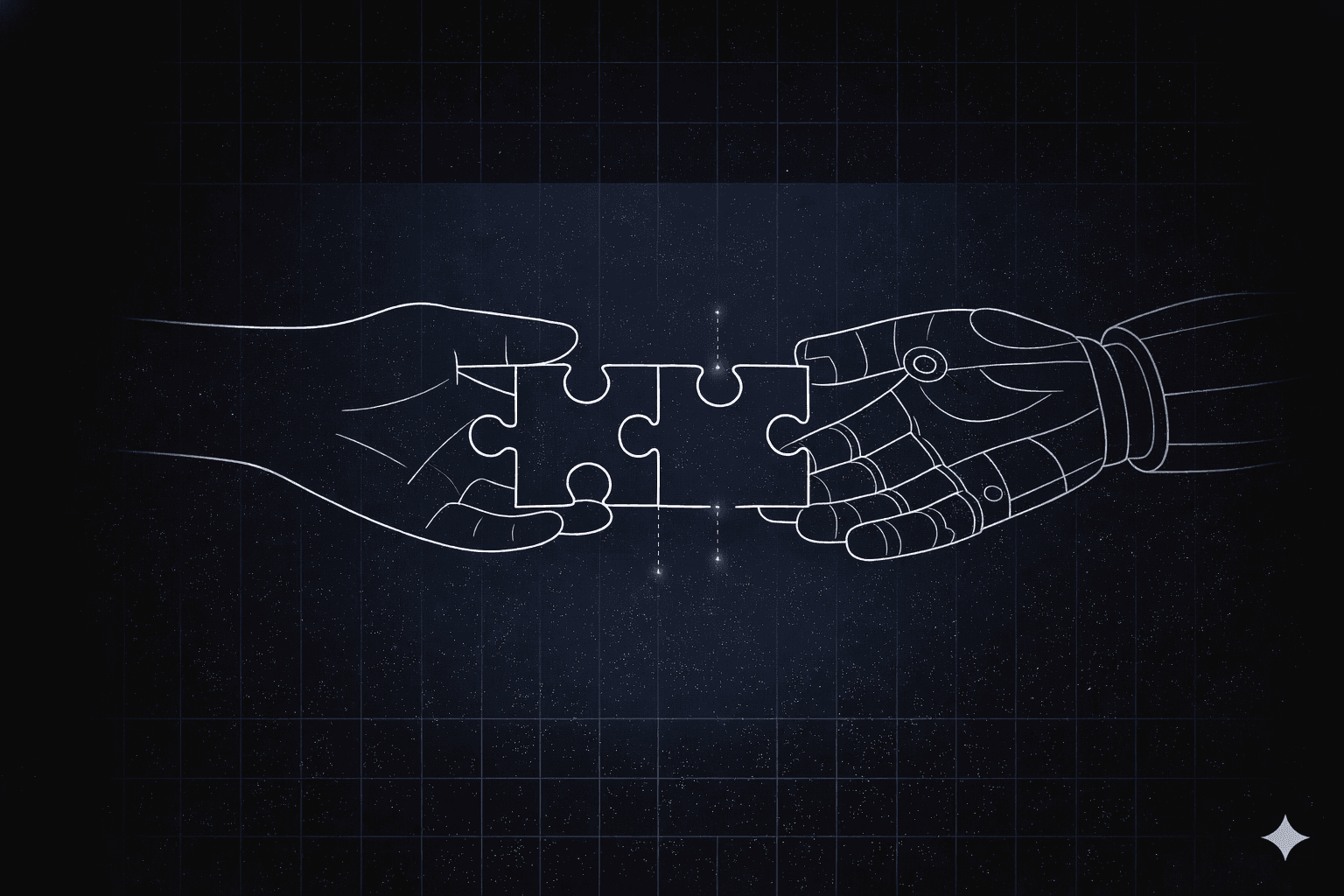
This article walks through how to score and select workflows worth redesigning, how to structure collaboration between people, rules, and AI agents, and how to move from pilot to production without rebuilding your tech stack.
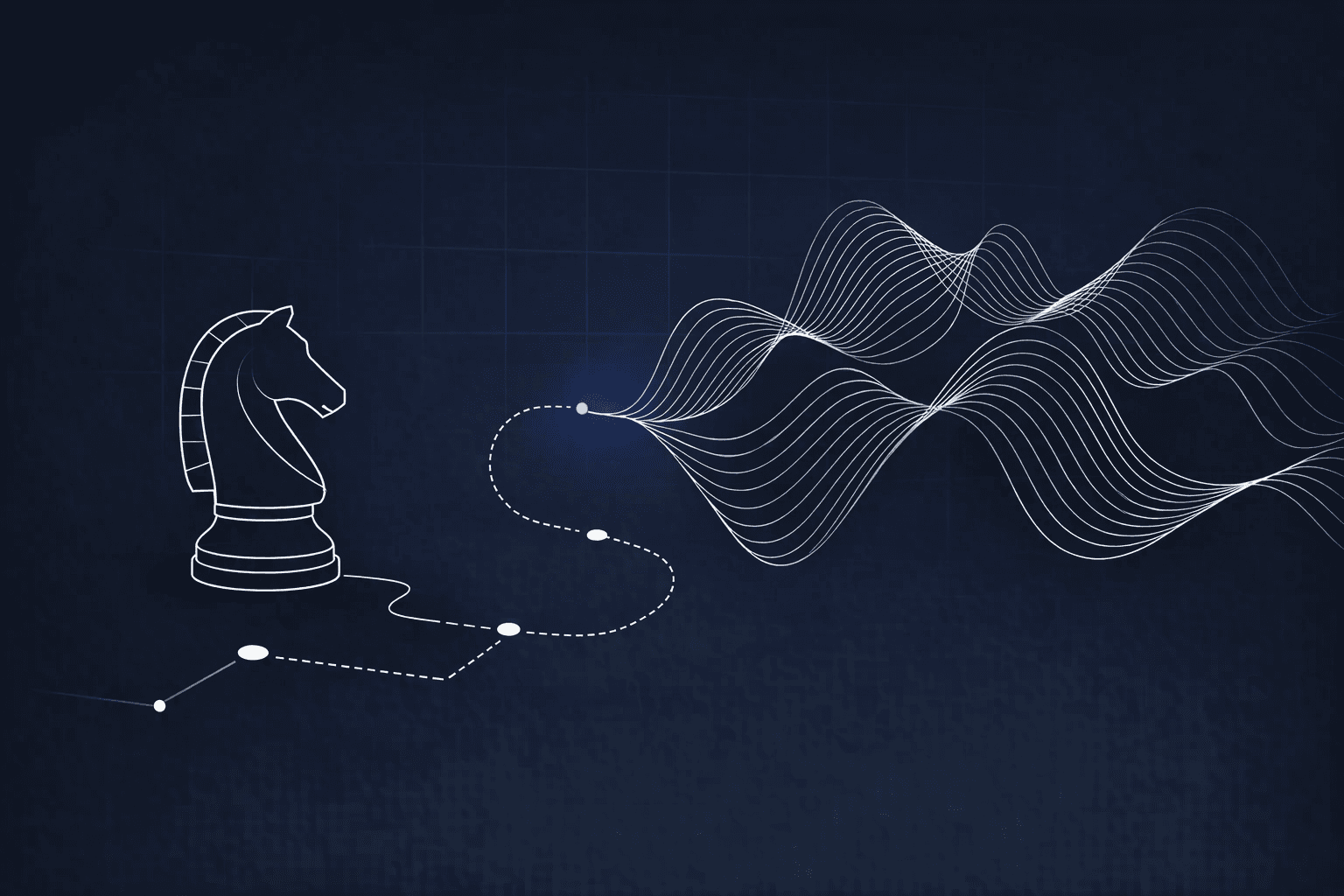
This article breaks down agentic AI vs. generative AI across governance, use cases, and architecture. You’ll learn how to match the best AI capability to each workflow so you can avoid over-investing in either direction.

This article breaks down where AI hallucinations come from, how they surface in enterprise workflows, and a four-layer defense architecture you can use to contain them.