
You Can't Deplatform Halfway
I get on a lot of calls with enterprise tech leaders who are trying to get off legacy SaaS. And almost every one of them has tried the same thing first.
They build a new experience on top. A nicer interface. An agent. Something modern that their employees actually want to use. And they leave the old platform running underneath as the system of record.
It feels like the safe move. Low risk. You're not ripping anything out. You're just improving the front door.
Then they get stuck. Every single time.
I was on a call last week with a global company that had done exactly this. Smart team. They'd built their own homegrown layer, they wanted to give employees a better way to work, and they kept hitting a wall. They couldn't figure out why. I could have told them before they started.
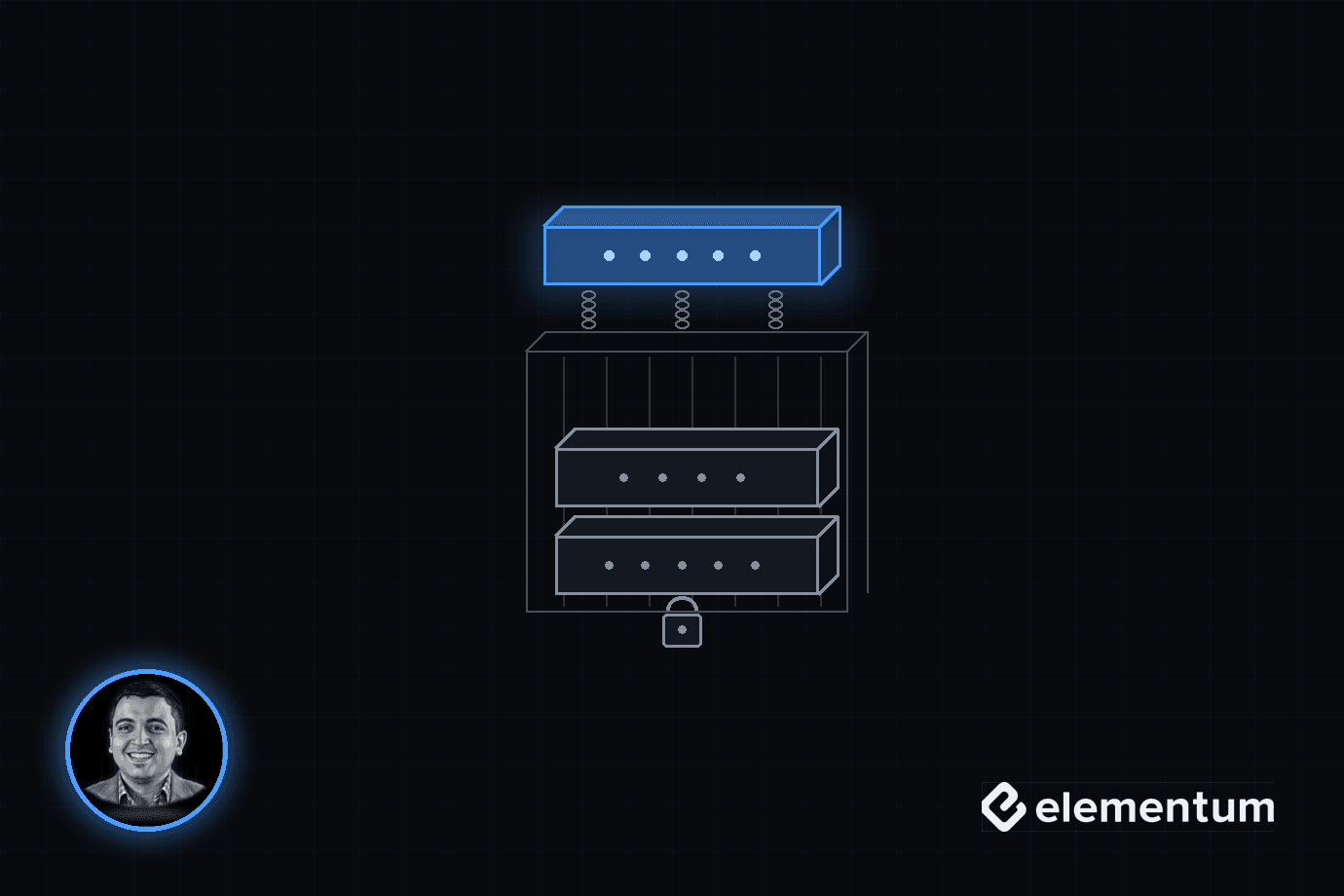
Here's why. Every piece of SaaS you own is really three things: a data layer, a business logic layer, and a UI layer. When you build something new on top and leave the platform underneath, you've only touched the UI. The data still lives over there. The logic still lives over there. Which means you don't control either one. You're still paying for both. You're still locked in. You just put a nicer coat of paint on the prison.
And the vendor knows this. The minute you try to do anything real, you're back to depending on their database, their config, their rules. You haven't escaped. You've added a layer.
So let me say the thing nobody wants to hear. If you keep the legacy platform running as your system of record, you're trapped. It doesn't matter how good the new experience is on top. One percent dependency is still dependency.
The good news? The UI layer was never the hard part. That's the part everyone fixates on, because it's the part you can see. But you don't have to rebuild 500 screens to replace a legacy system anymore. It's an agent and a handful of screens. The UI doesn't need to move at all. You just need to understand the user's intent.
The real work is the other two layers. Get the data into your own cloud. Read the configuration files. Move the business logic into a modern architecture. That's where the lock-in actually lives, and that's the part the legacy vendors want you to believe is impossible.
It's not impossible. It's a series of business rules and a series of data tables. We've migrated workflows people swore were too complex to touch, and underneath the drama it's almost always simpler than the vendor wants you to think. Two steps or a hundred and fifty steps, it's still just logic and data.
Hard? Yes. This is real work. But the trap isn't the difficulty. The trap is the half-measure that feels easy and gets you nowhere.
You can't deplatform halfway. You either move off, or you're still on. There's no in-between that actually works.
So before you build that beautiful new layer on top of the system you're trying to escape, ask yourself one question: when this is done, who still owns my data?
If the answer is the vendor, you haven't built freedom. You've built a nicer waiting room.
Nader Mikhail is the CEO and Founder of Elementum, the AI-native replacement for legacy SaaS.